Menu


Welcome Letter from the Owners
We are truly delighted to have you here.
Warmly,
The Anderson Family
Poggio alle Corti


112
113
115
117
118
Meet Your Dedicated Team
Concierge
Monica
Monica is your personal concierge and can help you with booking activities or restaurant reservations, and in general should be contacted if you have any needs that the house staff cannot handle.
Please also reach out to Monica at any time if you have any concerns or general feedback about your experience with us.
House Staff
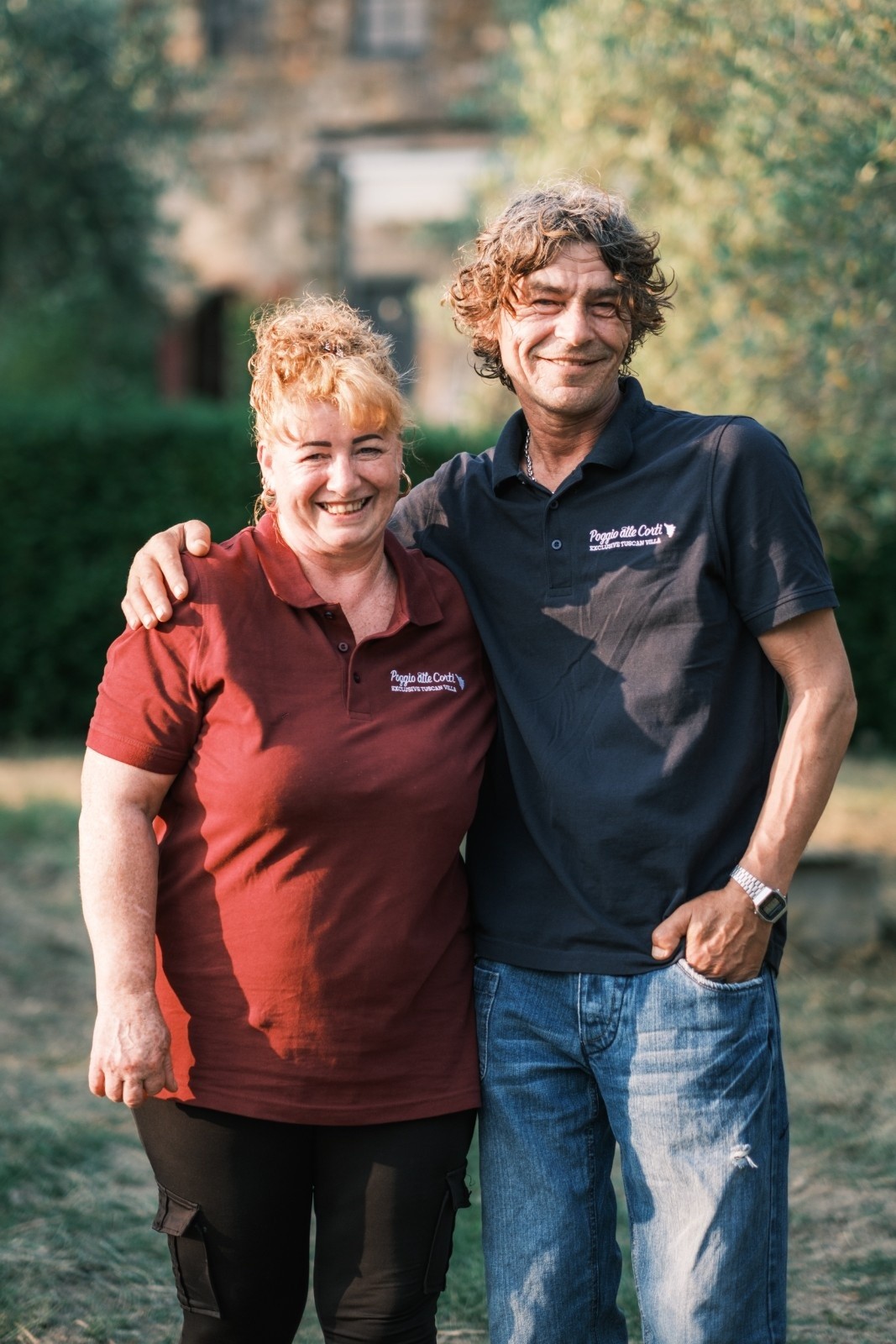
Rafael and Marinela
Rafael and Marinela are Poggio Alle Corti’s resident staff. They will greet you upon arrival with a welcome drink, help get you settled, and handle your luggage.
They love having the villa and are eager to make your stay as enjoyable as possible.
Rafael oversees the daily management of the grounds and can help you with any questions or concerns you may have during your visit, light a fire in one of the grand old fireplaces, or help with any after-hour emergencies. Rafael speaks English and Italian.
Marinela is in charge of housekeeping and cooking, and guests frequently rave about her hearty Italian cooking. Marinela speaks Italian and understands most English.
Do not hesitate to reach out with questions or concerns.
Important Villa Information
Daily Services
Security System
Locking Doors and Windows
Please ensure that all external doors are properly secured:
Lever Mechanism: All outer doors are equipped with pull levers at the top and bottom of each door frame.
To Lock: Be sure to push both the top and bottom levers back into their locked position before turning the key.
To Unlock: Pull both levers to disengage the security points before turning the handle.
Sequence: We suggest locking all secondary external doors first, leaving the main front door for last before activating the alarm system.
Activating the Security Alarm
Once all doors are securely locked, you can set the alarm:
The security module is located on the table in the Entry Hall.
Press the “LOCK” button on the upper right side of the module.
Note: Rafael will disarm the system early each morning, typically around 6:00 AM.
Unintentional Alarm Activation (False Alarm)
Should the alarm go off accidentally (e.g., if a door is opened after the system is set):
Locate the alarm fob attached to the front door key ring.
Hold the fob up to the electronic box located on the left side of the front door frame.
This will immediately disarm the system.
Support
If you experience any issues with the security system or locking mechanisms, please contact Rafael immediately for assistance. The staff is happy to handle all evening lock up upon request.
Air Conditioning (A/C) & Thermostats
Each bedroom unit has a remote control to adjust the AC. The AC is preset to a comfortable temperature of 24 degrees C. Point the controller at the AC unit and press the on/off button to turn the unit on or off.
Please do not touch the thermostats (none of them will be on). Should you require heat, please contact Rafael, who can assist.
There is an extra fee for heat at the rate of 150 Euros per day. Rafael is also happy to build a fire to help you keep warm.
Coffee Machine
Press on/off button, then press the relevant button to select the desired coffee
View Instructions
Oven & Stove
Microwave/Ultracomb Oven
Microwave Control Panel Description:
1. ON/OFF
2. Home button to access the main menu
3. Recall list of favorite functions
4. Display
5. Choose between options and change oven setting and preferences
6. To enable use of Whirlpool 6th Sense Live app
7. Cancel – turn off all functions of the oven.
View Instructions
Dishwasher
Note: please do NOT put sharp knives into the dishwasher.
Dishwasher soap is under the sink.
Place the dish detergent pod in the dispenser door of the dishwasher.
Press the far left button on to turn it on. Use the arrow button to select the program.
Press the Start button on the far right.
View Instructions
Washing Machine & Dryer
The washing machine and dryer are located on the main floor, through the wood door in the center of the hall.
Laundry detergent is on the shelf above the machine.
To wash, add detergent to the pull-out drawer on the left of the dial. Turn the dial to the selected wash cycle and press Avvio (which means “start”) on the right-hand side panel.
To use the dryer, place the clothes in the drum and use the dial to select the dry cycle. Press the Start button.
View Instructions
TV
The TV remote can be found on the table between the sofas in the sitting room on the ground floor.
To operate, press the on button (top left) and Netflix and prime video can be selected directly via the named buttons.
Fireplaces
There are three working fireplaces in the villa: in the dining room, the upper living room, and the lower sitting room.
If you would like to enjoy a fire in one of our many fireplaces, please let Rafael know and he will be happy to set it up for you within a few minutes.
Pool
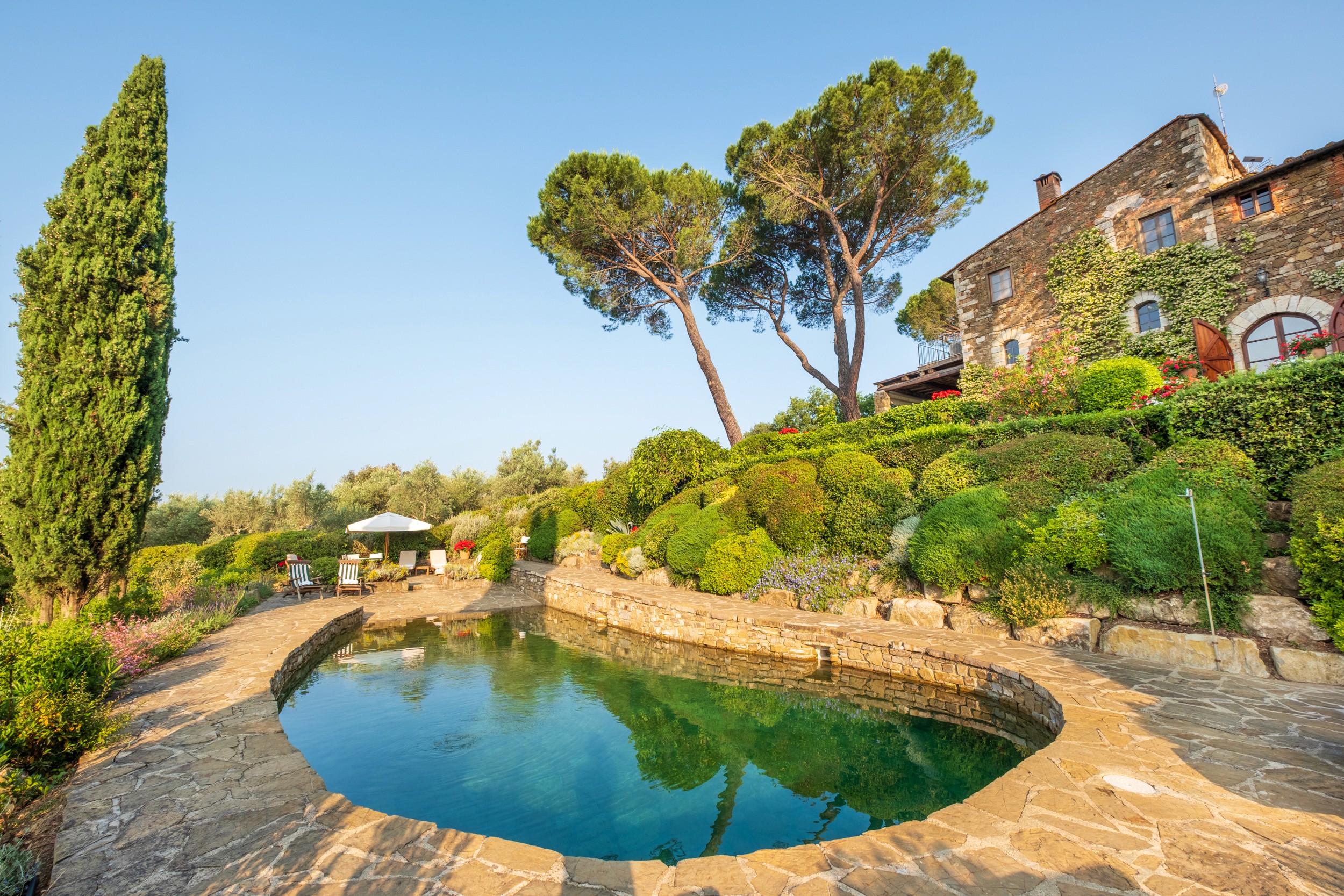
Our pool is located down the stone steps that lead off the loggia just behind the gazebo.
Pool towels are available in the laundry room.
The pool is over 2.5 meters (8 feet) long and is suitable for jumping, but it has a sloped entry, so be sure to jump in only at the deep end.
See the full list of Pool Rules.
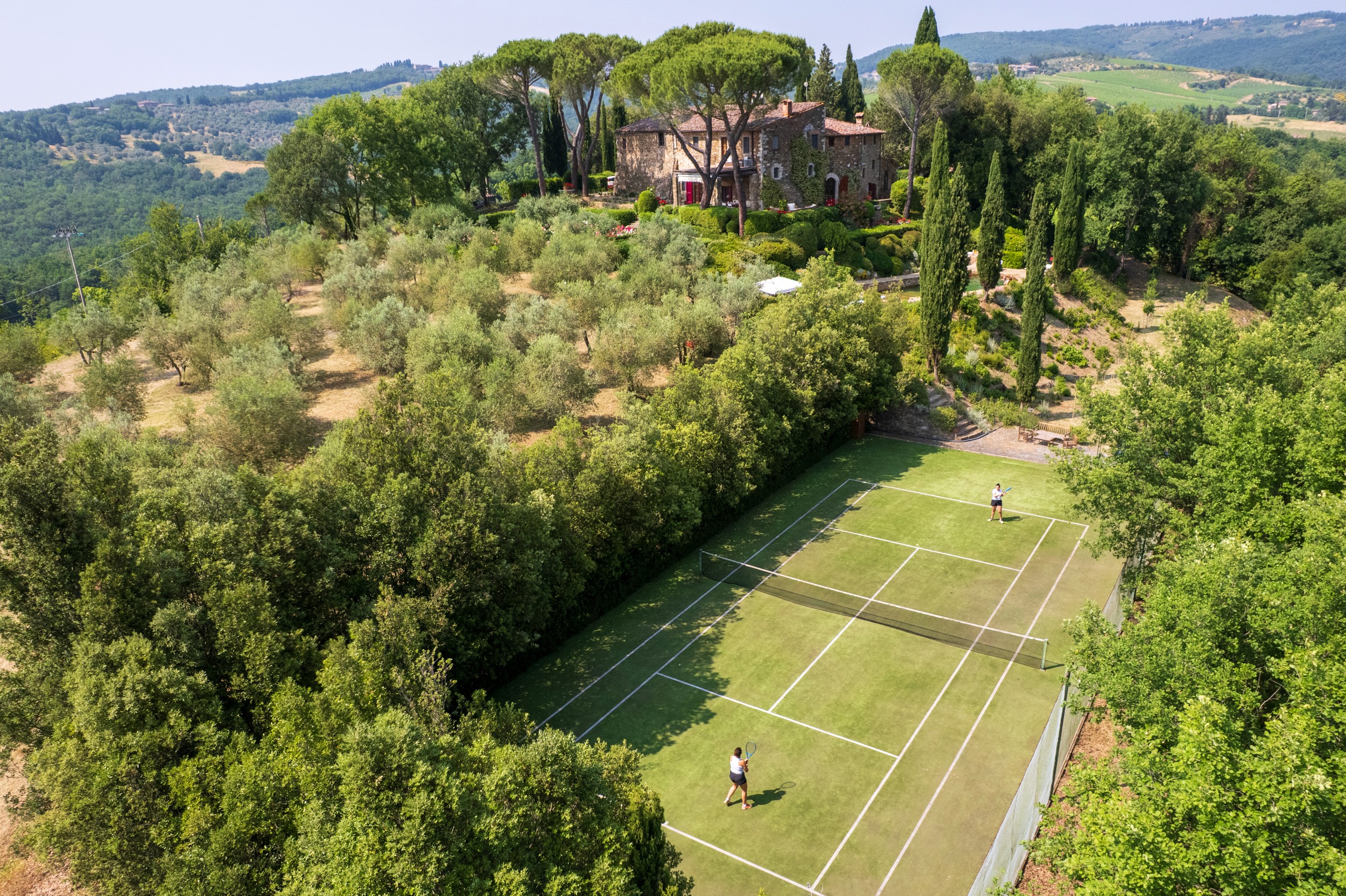
Tennis Court
A fenced-in tennis court can be found at the bottom of the stone steps just past the pool patio.
Racquets and tennis balls can be found in the storage unit just outside the court.
Please return all equipment to the storage unit and be sure the door is firmly shut.
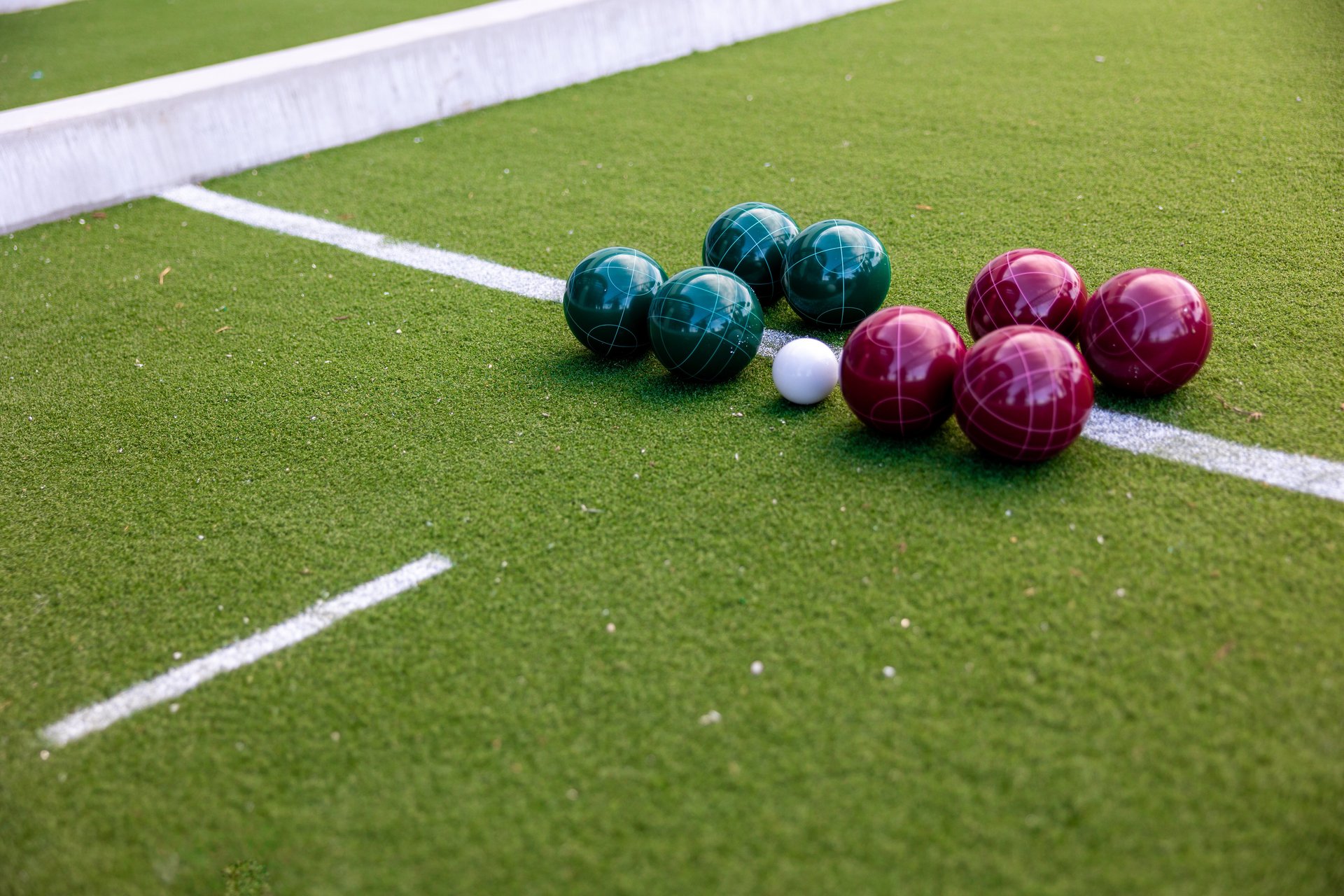
Lawn Bowling / Bocce Ball
A lawn bowling court is available down the stone steps near the deep end of the pool, past the wet bar.
The bocce ball (“boules”) set can be found in a container next to the court. Please return the set to the laundry room when you are finished.
A children’s set is available from Rafael upon request.
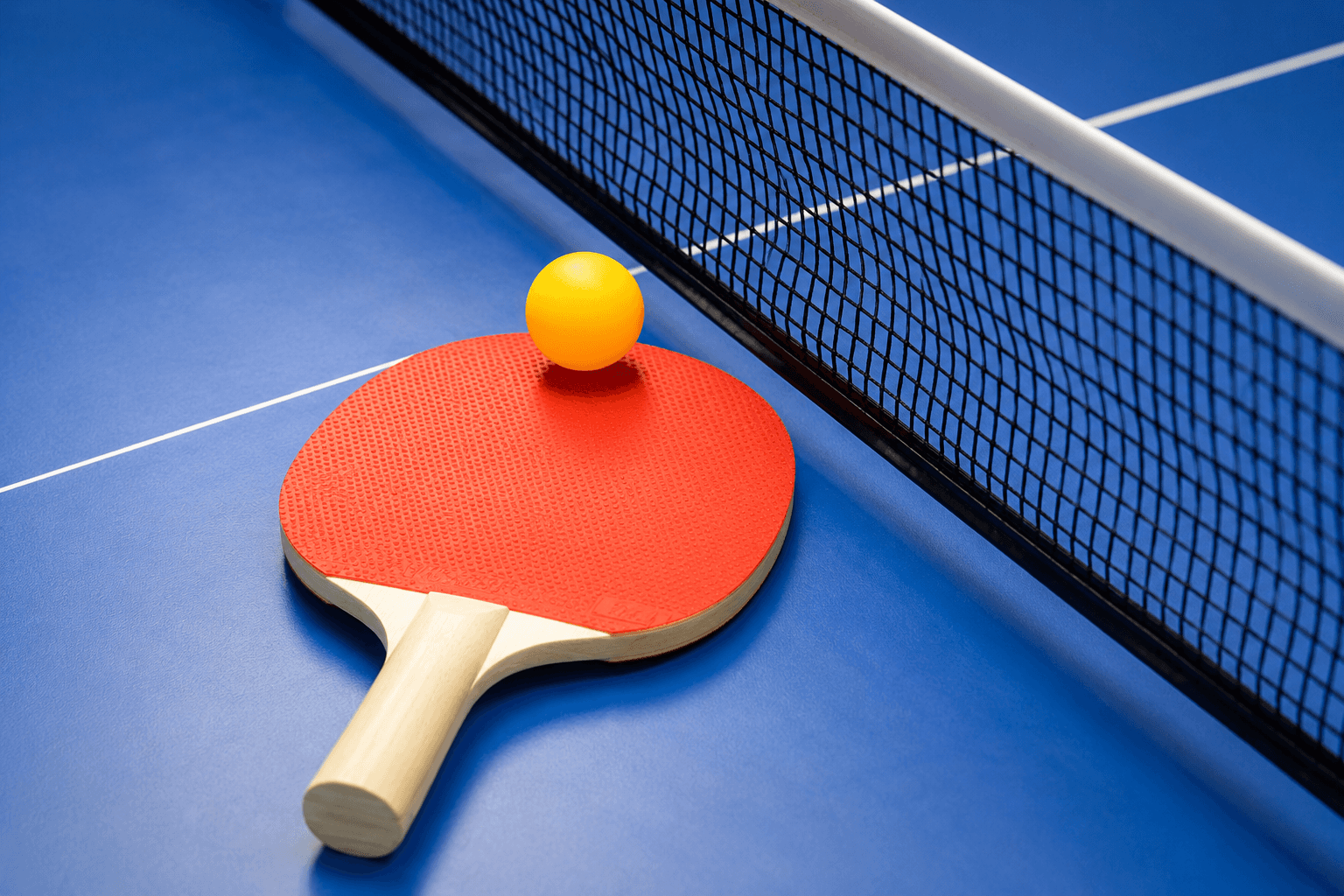
Table Tennis/Ping-Pong Table
A Ping-Pong table with paddles and balls are available for use in the gym area, near the cantina.
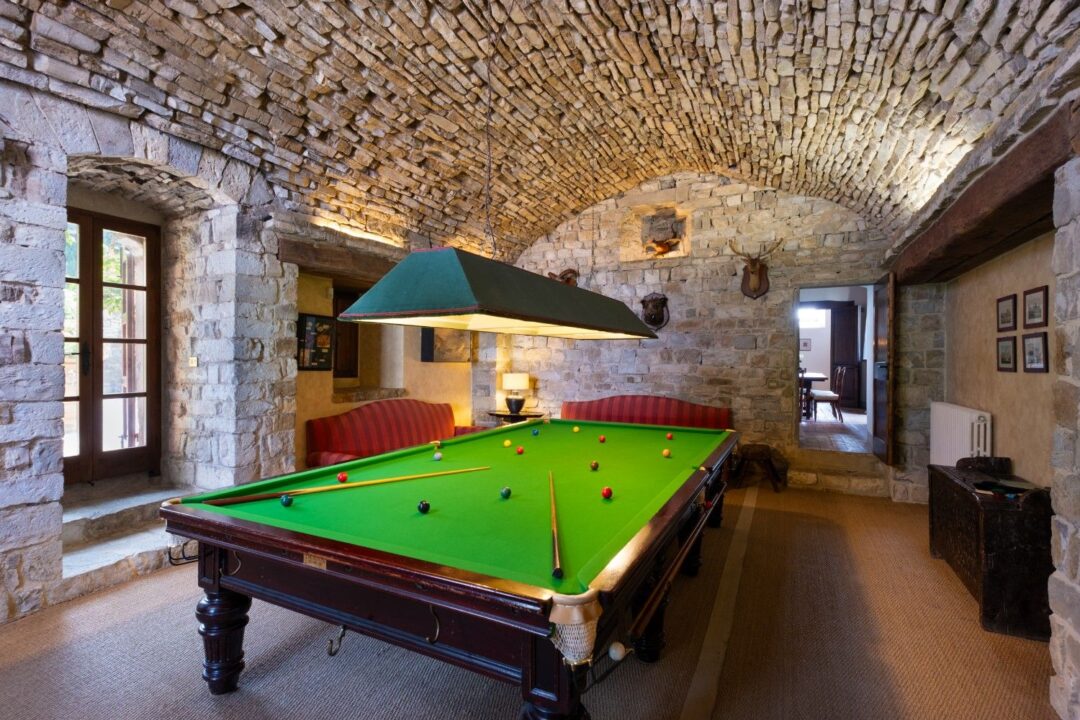
Billiard Table and Dart Board
Our stone-arched billiard room houses a snooker table and dart board.
All the equipment is supplied and a scoreboard is hung on the wall.
Please do not leave children under 12 unattended in the billiard room.
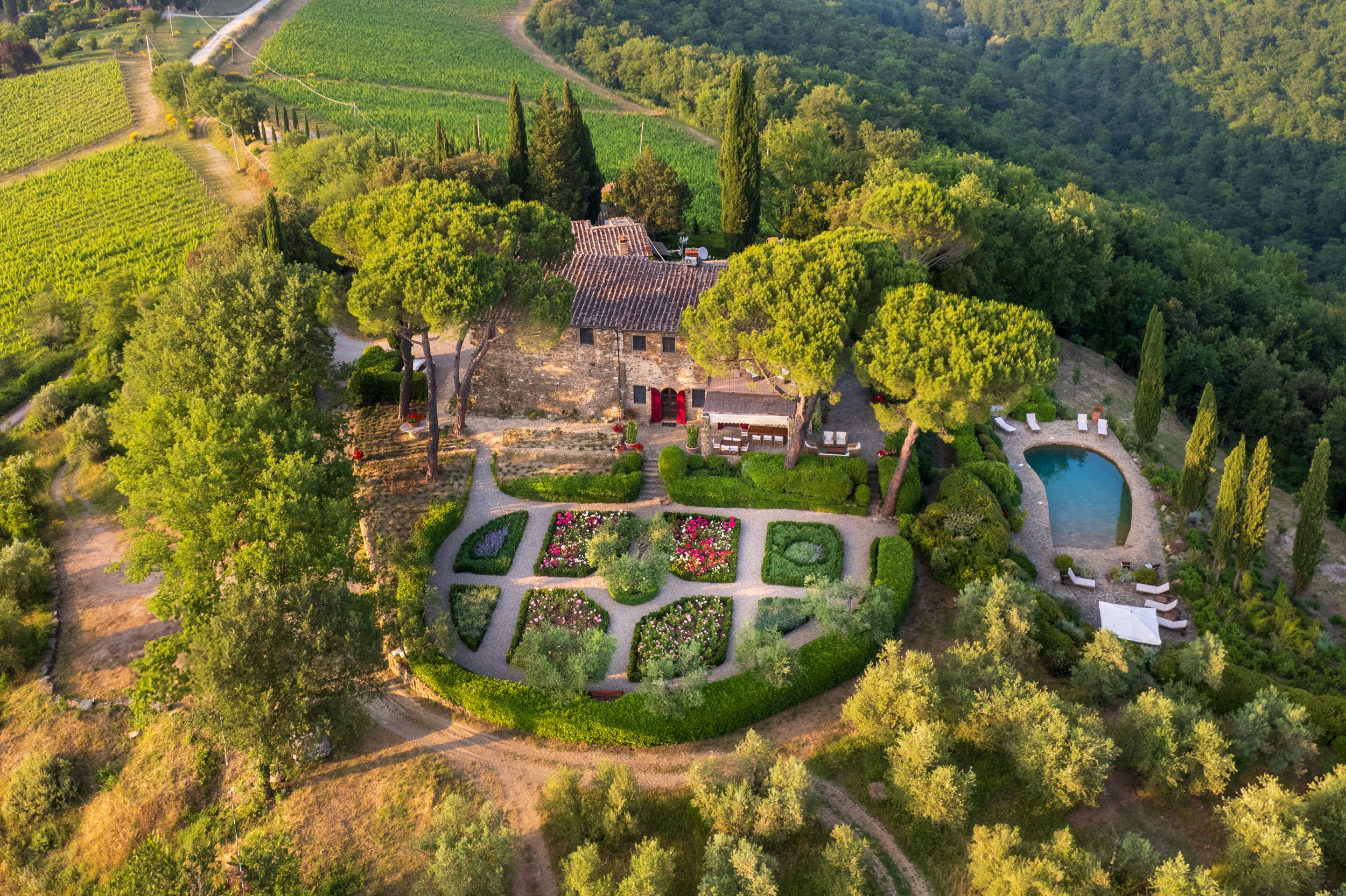
Olive Grove
Our shaded patio overlooks our beautiful olive grove.
This grove produces the olive oil that you will enjoy at the villa.
We invite you to stroll through the olive grove.
If you are quiet, you may be lucky enough to see a pheasant or fallow deer, especially in the early morning or near dusk.
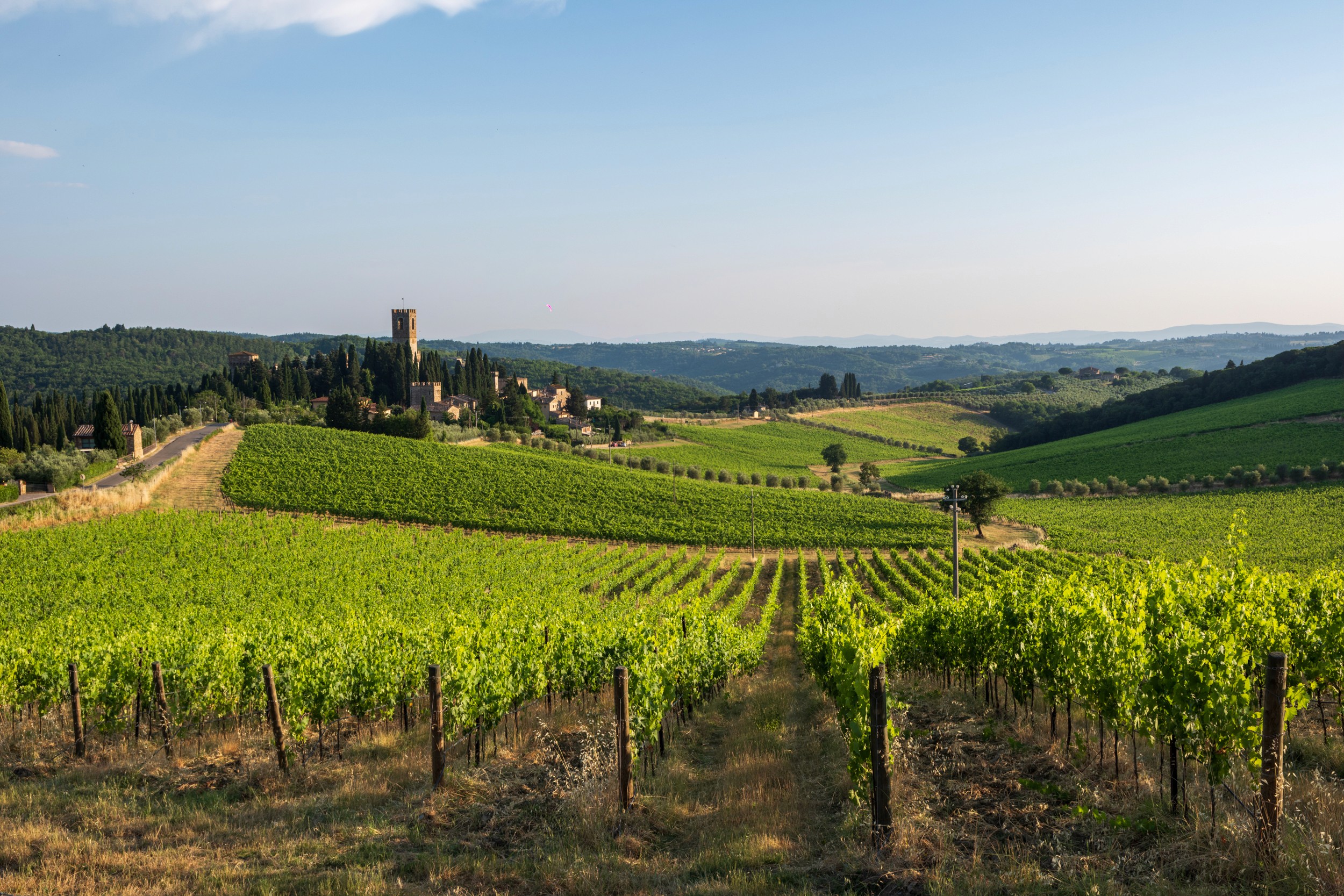
Vineyard
Please roam the vineyards at your leisure and even take a few bites of the grapes if you wish.
There are several gates near the road to access the vineyards.
The grapes are all Sangiovese and are classified as Chianti Classico.
Please be sure to close the gates behind you!
Open gates allow wild boar to access the vineyard and ruin the vines.
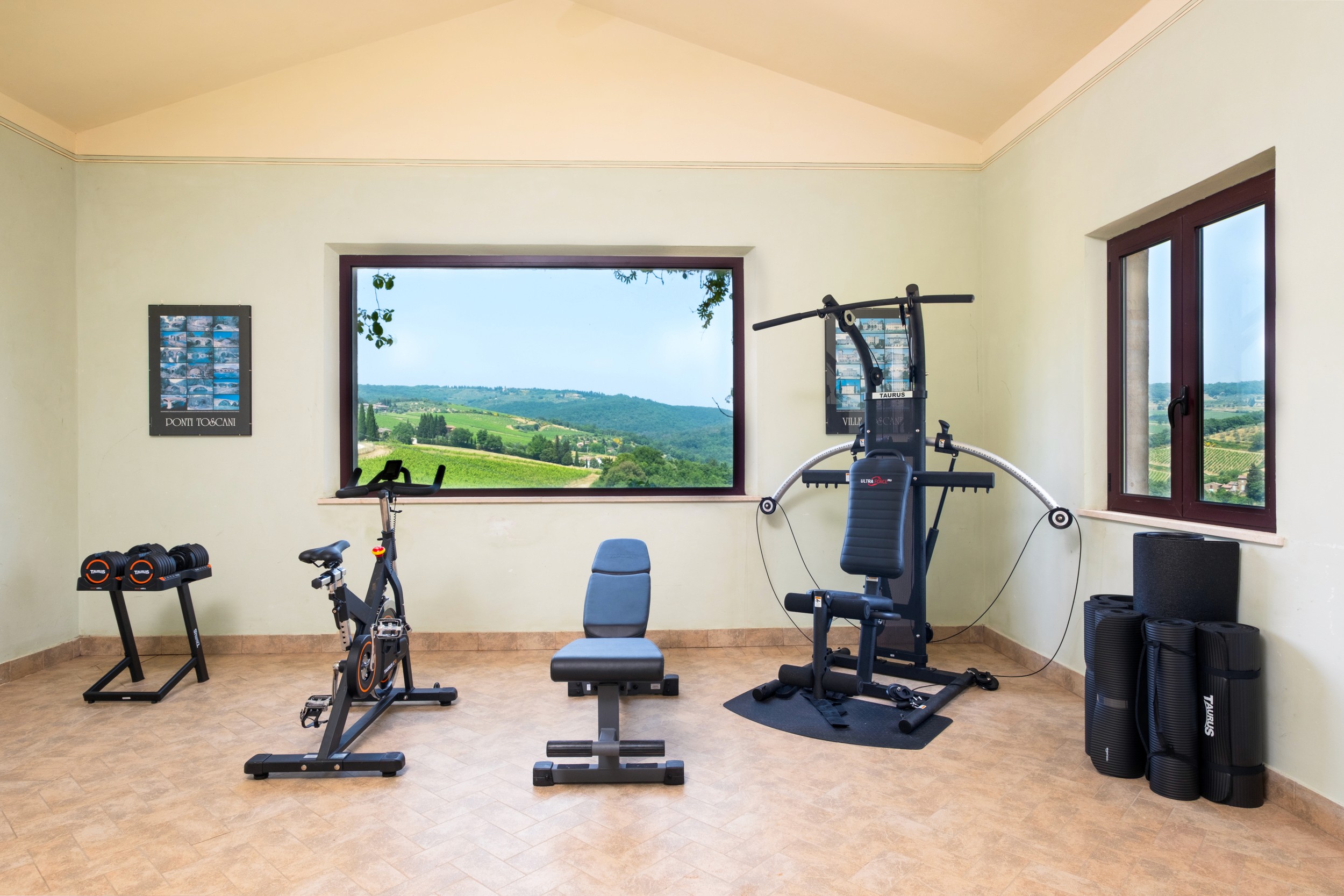
Gym
The gym is located by walking down the driveway towards the exit. On the right you will notice a large white sign that reads “cantina.” Follow the signs to the gym entrance.
There are free weights and exercise equipment for your use, as well as water bottles and towels for your convenience.
Gym Rules
No children under the age of 14 may use the equipment without adult supervision.
Wipe off machines when you’re finished using them.
Proper fitness attire and gym shoes are required.
Be safe and use the equipment at your own risk.
Wildlife Watching
Chianti is rich in wildlife, and the villa grounds are home to many birds and animals.
You are likely to see and/or hear many of these animals in our olive grove, in
the surrounding woods, or along Chianti’s winding roads.
Below is some information about the local wildlife, listed in the order
of how likely you are to see and how to find them.
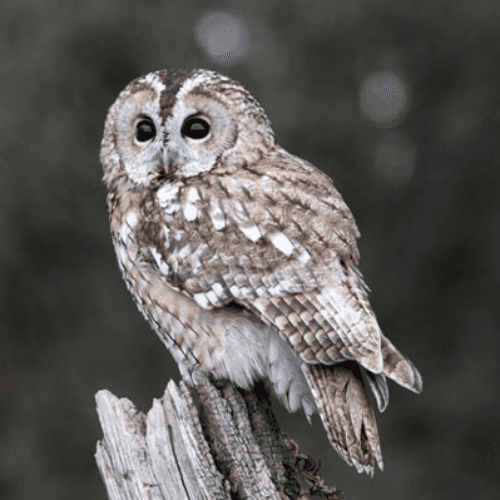
Our Resident Tawny Owl, Gufo
A beautiful tawny owl makes his home in the outer wall of the villa. To see him, stand below the west-facing window of the master bedroom. Have someone open the master bathroom window shutter from the inside. When they do, he will fly right over your head. Be sure the window hasn’t already been opened, or he’ll have already flown away and will “not be home”.
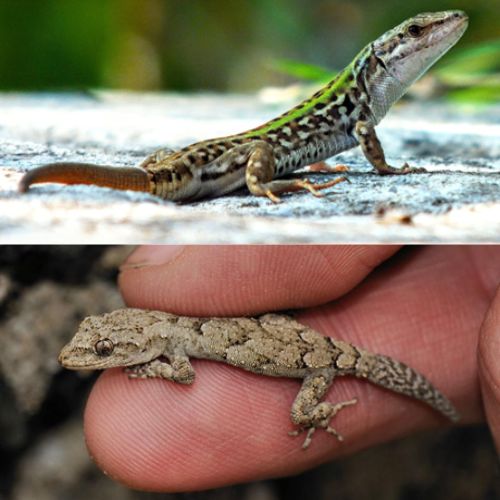
Lizards and Geckos (Lucertole e Gechi)
The Italian wall lizard is the most common. Its body usually has a green or brown back and a white or green belly. They love to sun on the rocks and hide in cracks, especially down by the pool or along the villa walls and patio. They are mostly visible during the day when the sun starts to warm the stone.
Kotschy’s geckos can be grey, yellowish, reddish, or dark brown with rounded toes. They are shorter and stockier than other lizards and tend to be shy and nocturnal; however, you may see them warming in the sun in the late afternoon.
These are both completely harmless and kids love to catch them.
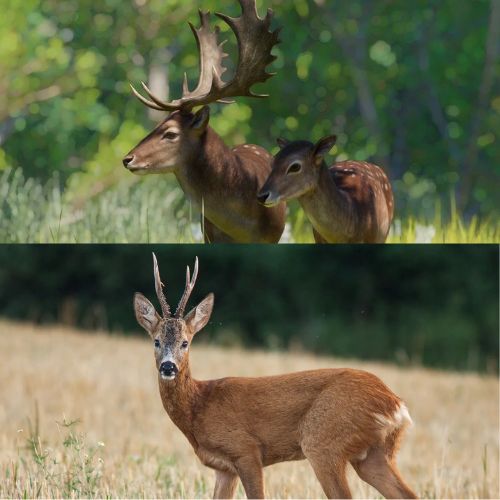
Deer (Cervi)
Both fallow deer, with their massive antlers, and roe deer call the villa grounds “home.” Watch for them near dusk, in cultivated fields, or in our olive grove. The road between Panzano and Castelina is an especially great place to see them.
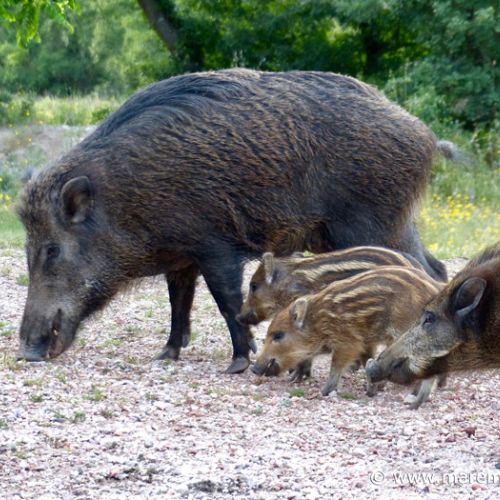
Wild Boar (Cinghiale)
You may see signs of where boars have been rooting in the olive grove or along the white road–the ground will be dug up. Dusk is the best time to see them. Try driving down the white roads in heavily wooded areas; keep a lookout in cultivated fields as well, especially on rainy days. You can also see and hear them on the trails around the villa. Be careful not to approach the boars, especially if their adorable little ones are with them. You may notice Cinghiale listed on the menu in many restaurants in Tuscany–it’s delicious and a local favorite. To see one up close, large stuffed boar soften grace the entrance of butcher shops, including the one in Greve square
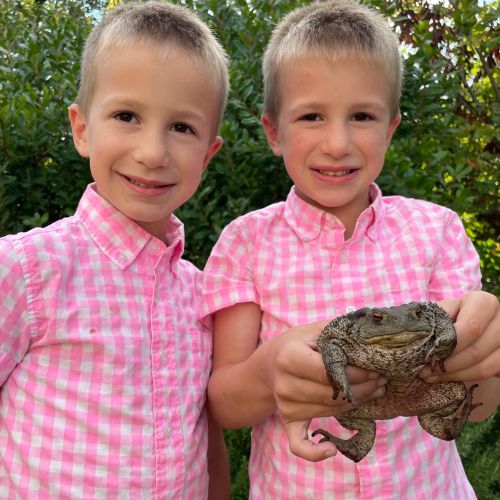
Giant Toads (Rospi)
The European, or Common, toad can reach up to 6 inches in length. Behind their eyes are two bulging glands that emit a noxious substance to deter predators. Look for them at night along dirt roads, or as they randomly hop through the olive grove in the early morning. They tend to hide under stumps, logs, and large rocks during the day.
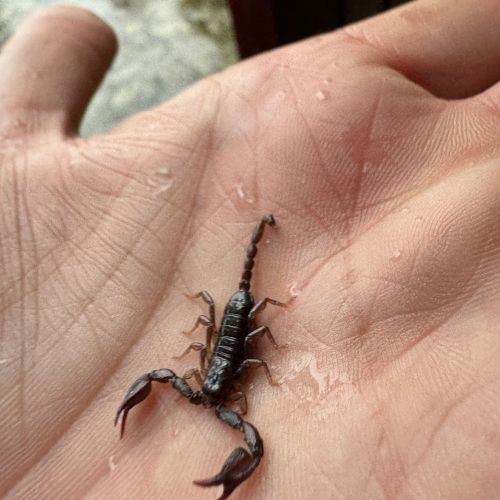
Scorpion (Scorpione)
You are very unlikely to see a scorpion unless you’re looking for them, though they are quite common. Look for these handsome little fellows under rocks, especially in the olive grove. Their sting feels similar to that of a bee, but they are not dangerous.
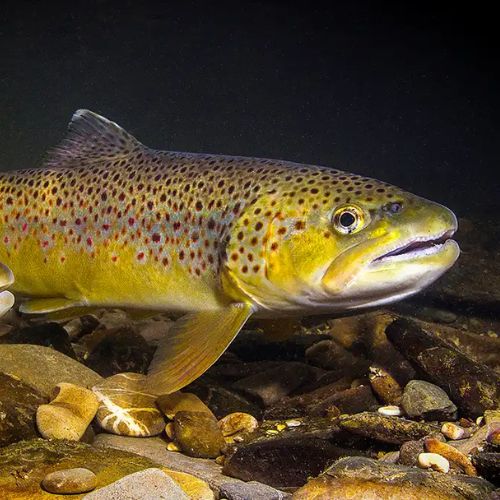
Fish (Pesci)
You will see some fish, most likely brown trout, in the river just down from the villa in Fiume Pesa. A range of fish, some quite large, can usually be seen below, under, and around the bridges in Greve as well. If you would like to go fishing, Rafael (an avid fisherman) can give you some tips.
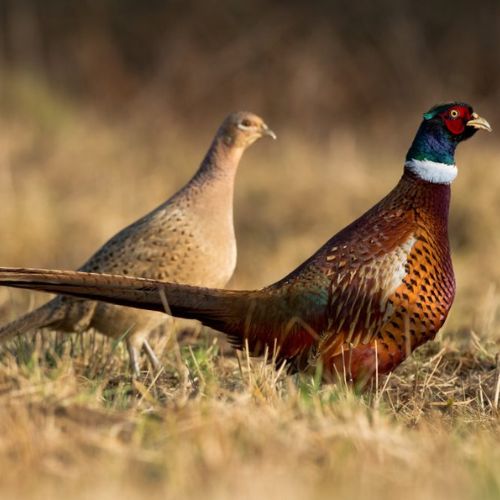
Pheasants (Figiani)
The colorful male pheasant loves to strut and show off in our olive grove and the surrounding vineyards. He is brighter-colored than the female, and often “crows” in a husky voice especially around dawn and dusk. You will also find pheasant served in some local restaurants–it’s delicious!
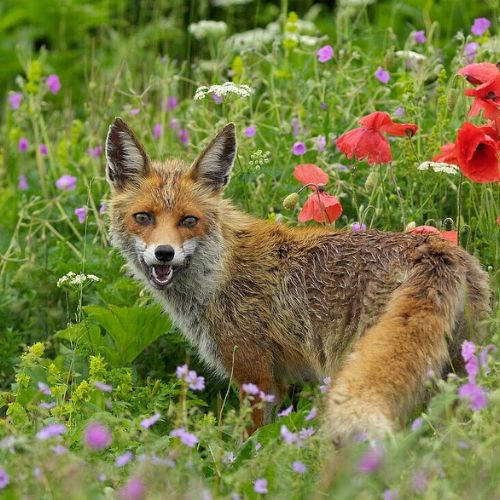
Red Fox (Volpe Rossa)
We have at least one local fellow who lives just up the road from us, between the villa and La Cantinetta. You will sometimes see him in the fields or vineyards looking for mice, insects, or worms.
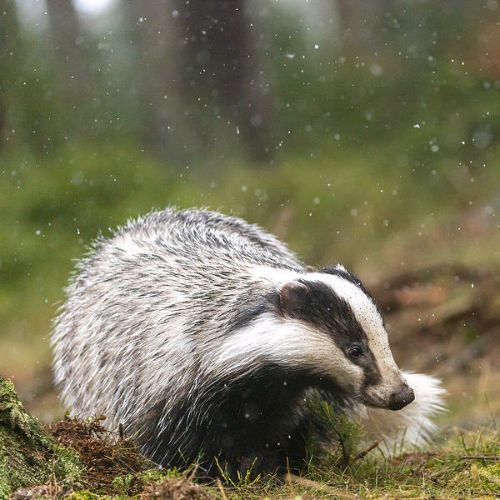
Badger (Tasso)
This mostly nocturnal animal spends the day inside its brown tunnels in the forest. Badgers eat fruit, worms, frogs, snakes, bulbs and acorns. They have an acute sense of smell but poor eyesight. Do not corner them as they are powerful and can be quite vicious when defending themselves. This fat fellow sometimes appears after dark on the white road between the La Cantinetta restaurant and the top of the hill.
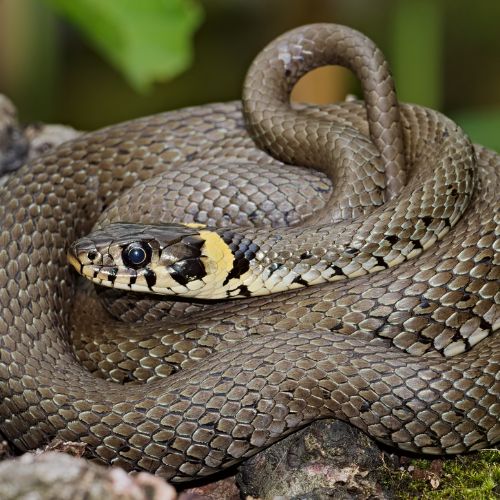
Snake (Serpente)
Yes, we have some snakes in Tuscany, and some are even poisonous–though these are very rare and it’s highly unlikely that you will see one.
If you do see a snake, it will most likely be the grass snake or the green whip snake. The grass snake, which is semi aquatic, is the most common. When cornered, it will play dead while emitting a foul smell. The green whip snake grows to 100 cm in length. It has a small head and is usually white-yellow with green-brown transverse bands (but they can also be black). They are very fast, swim well, and hunt at night.
While rare, the poisonous snakes of Tuscany include the common viper and the European adder. They are not aggressive and prefer to scoot away and hide. They live in cool and sunny places such as pastures, meadows, and in rocks. Bites from either can be very painful but are seldom fatal. Of course, in the highly unlikely event that someone is bitten by either snake, take every precaution and head to the hospital for immediate care.
Fortunately, the neighborhood cats help keep the snake population down around the villa, so we rarely see them.
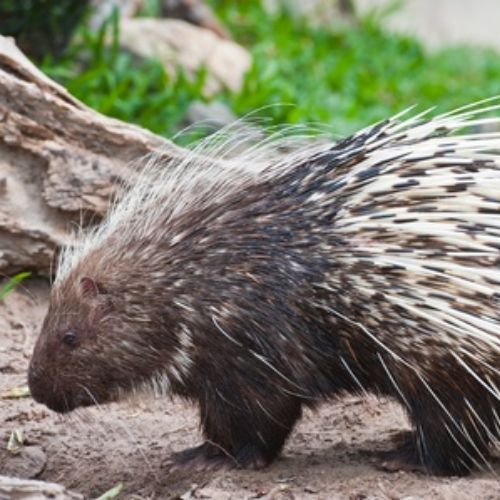
Porcupine (Porcospino)
The African crested porcupine will stamp their feet and raise their quills to rattle them when threatened. They are unable to “shoot” their quills, but when cornered they will try to stab their attacker. They are nocturnal animals, often hunting for roots, bulbs, and insects.
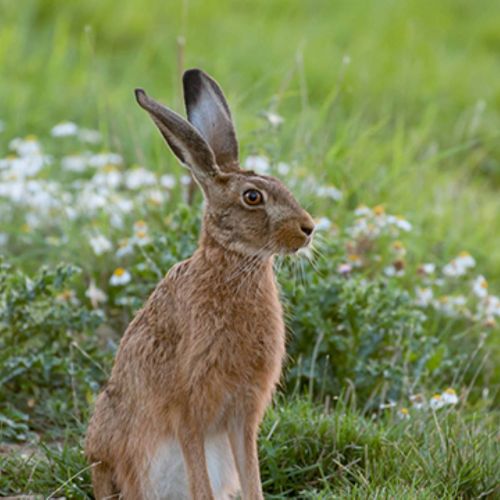
Hares (Lepri)
We don’t have rabbits in Tuscany, but we do have hares. Hares are mainly nocturnal, but you can sometimes see them nibbling dandelions or grasses on people’s lawns or in the fields.
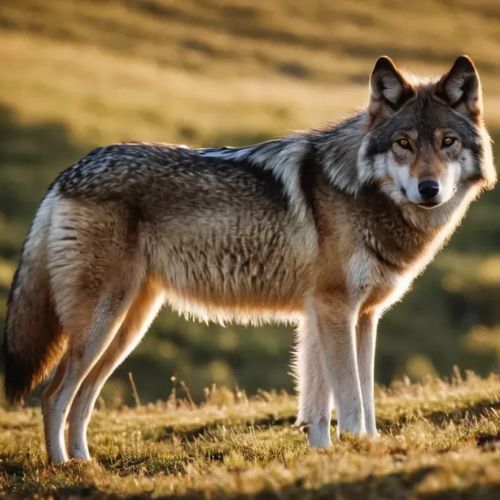
Wolf (Lupo)
The Italian wolf (also known as the Apennine wolf) is a subspecies of the gray wolf. There are about 3,300 wolves in Italy and they are featured prominently throughout Italian culture and legend, including during the founding of Rome. The wolf is considered the unofficial national animal of Italy.
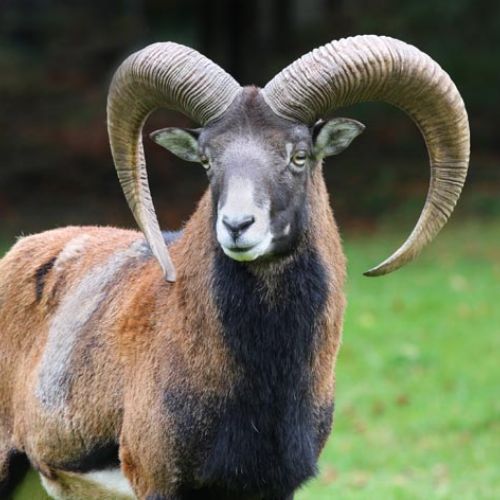
Mouflon Sheep (Muflone)
While rather uncommon in Chianti, you will sometimes see Mouflon crossing the roads at night. They are more common in the Apuan Alps of northwestern Tuscany. You will find a headmount of a mouflon sheep in the billiard’s room.
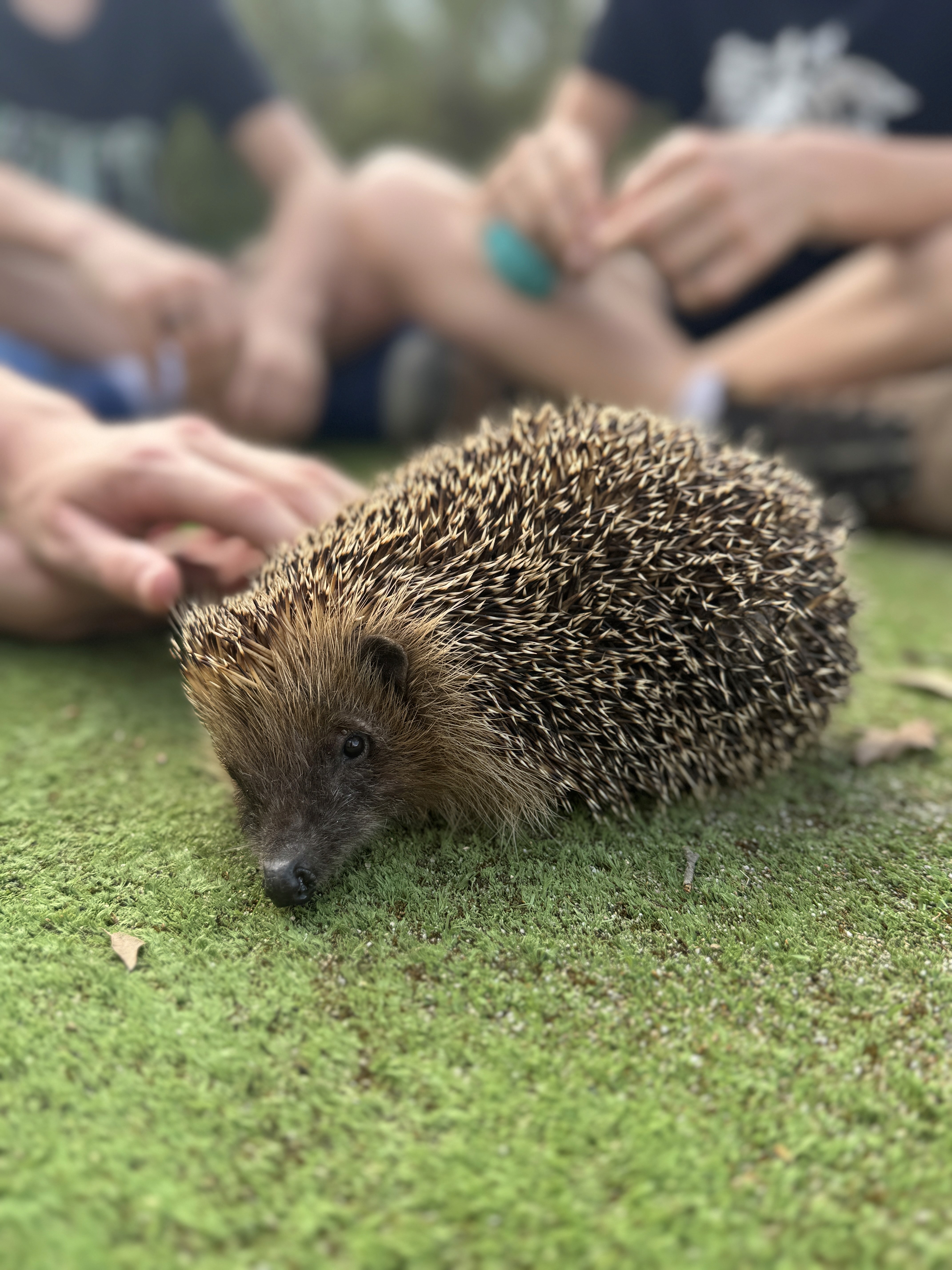
Hedgehogs (Ricci)
Hedgehogs are one of the most beloved symbols of the Chianti countryside, and during the warmer months you will often spot them at night crossing the quiet road leading to the villa. They also like to hide among piles of sticks, beneath shrubs, or inside small burrows near the tennis court and surrounding gardens. Despite their spines, hedgehogs are gentle and harmless creatures, and they can be handled safely if approached calmly and gently. In this region, the hedgehog carries special historical significance: the family name of Bishop Scipione de’ Ricci is believed to derive from the Italian word for hedgehog (“riccio”), and the hedgehog appears prominently on his family coat of arms. As you explore Rignana and the surrounding area, you may notice this charming symbol appearing throughout local décor, crests, and architectural details.
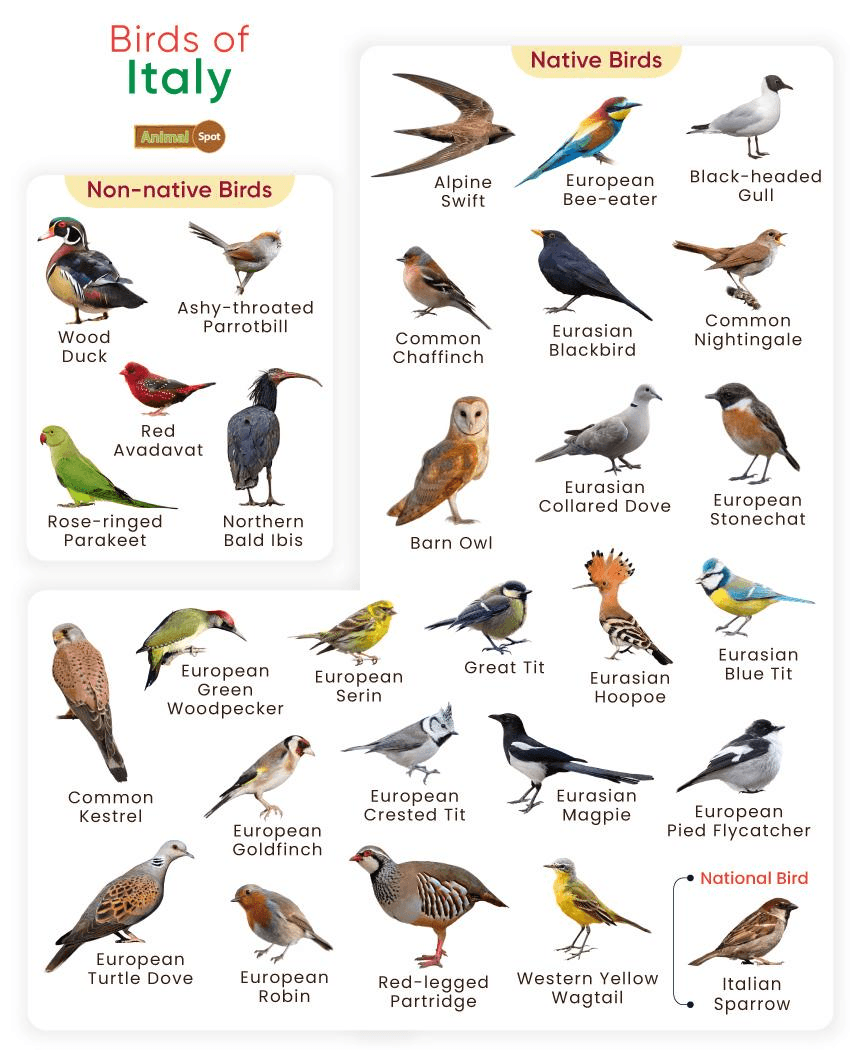
Birds (Uccelli)
It is common to hear the distinctive call of cuckoo birds in the trees around the villa. A large flock of eurasian collared doves also lives in our valley. Other birds in the area include: mallard ducks, rock pigeons, swifts, barn swallow, Eurasian blackbird, Italian sparrow, magpie, Western house martin, European starling, redstart, white wagtail, goldfinch, Eurasian blue tit, longtailed and great tit, Eurasian blackcap, firecrest, hooded crow, European serin, mistle thrush, wood pigeon, kestrel, Eurasian nuthatch, buzzard, sardinian warbler, common nightingale, European green woodpecker, and many more.
Local Restaurants & Food
The villa is surrounded by a wide selection of excellent restaurants, from quaint farm-to-table eateries to world-class Michelin-starred establishments. The restaurant recommendations below are categorized generally by price and proximity to the villa.
We’ve personally been to and experienced each of these restaurants.
Haute Cuisine (€100 +/pp)
High-Quality Dining (€30-75/pp)
Casual (€15-30 /pp)
The History of Poggio Alle Corti
Major Attractions, Towns, and Cities
The following are nearby towns, cities, and excursions that we recommend, categorized by their distance from the villa.
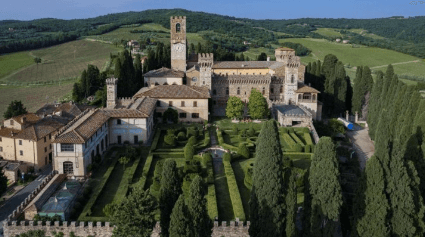
Badia di Passignagno and the Badia Monastery (5 km /3 miles )
Very interesting tour, approximately 45 minutes. They ask for a donation. We suggest calling ahead to request a tour in English, or you can try your luck by showing up at the times posted on the website.
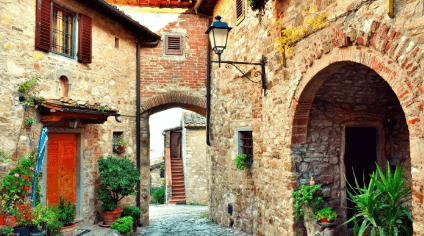
Montefioralle (6.5 km / 4 miles)
Don’t miss this small “castle town” on the way to Greve. It is home to the castle that protected Greve and the countryside in the Middle Ages. While there are no shops, you can visit the old church and three great restaurants. The castle can get very busy on weekends, and is less crowded on the weekdays. Parking is available.
Amerigo Vespucci was born in Montefioralle. To find the home where he lived look for a Wasp Crest located above the door. (Note that the home is privately owned and is not open to the public.)
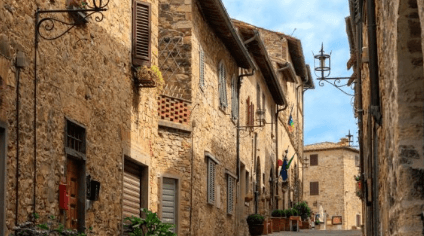
San Donato (13.5 km / 8.5 miles, or take a 4x4 across the valley)
Charming medieval town with two great restaurants near its quaint central square.
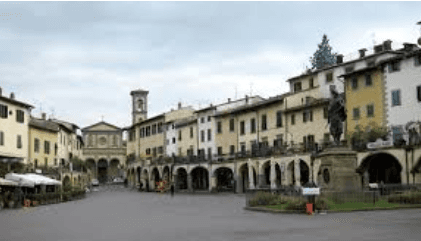
Greve
Greve has many services for guests, plus a wine museum.
The best gelateria is by the co-op (not in the square).
Saturday is market day until about 1-2pm. Every 4th Sunday there is a special organic food market. The third Thursday in June, July, August, there is an evening market from 6-11pm with food, artisans, and music.
The tourist information center is very helpful. Maps are available.
Some touristy shops on the pretty square, statue of Giovanna Verrazzano (a NYC bridge named after him–the first European to see NY bay)
Panzano
Panzano is located very close to the Villa accessible via a pretty drive;
Food trucks serving burgers and hot dogs are on the road and are open until about 2:30pm (€6).
The Sunday morning market is open until 1pm. On the first Sunday of the month, there is a special market with over 100 tables featuring local artisans, producers, and antiques.
Tavarnelle Val D’Elsa and Barberino
Both are very quaint medieval towns with cobblestone streets, restaurants, and artisan shops.
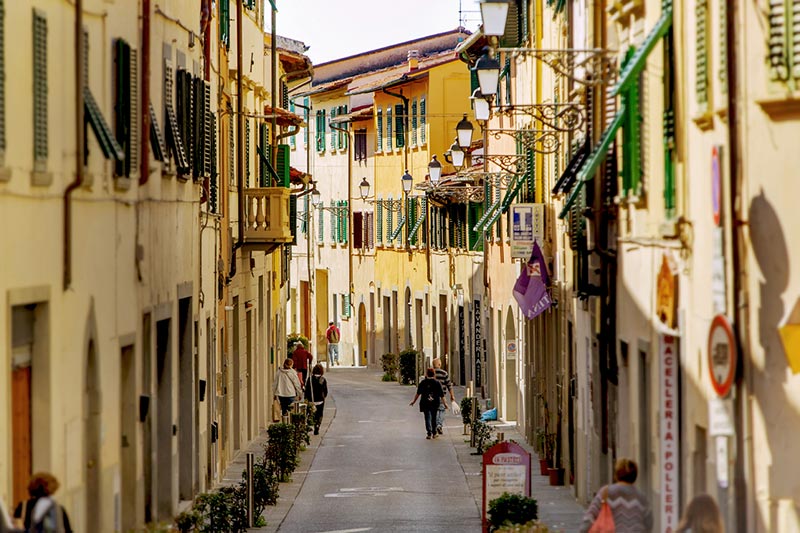
San Casciano in Val di Pesa
Larger town with a variety of shops. The market comes to San Casciano on Monday and showcases local artisans and food.
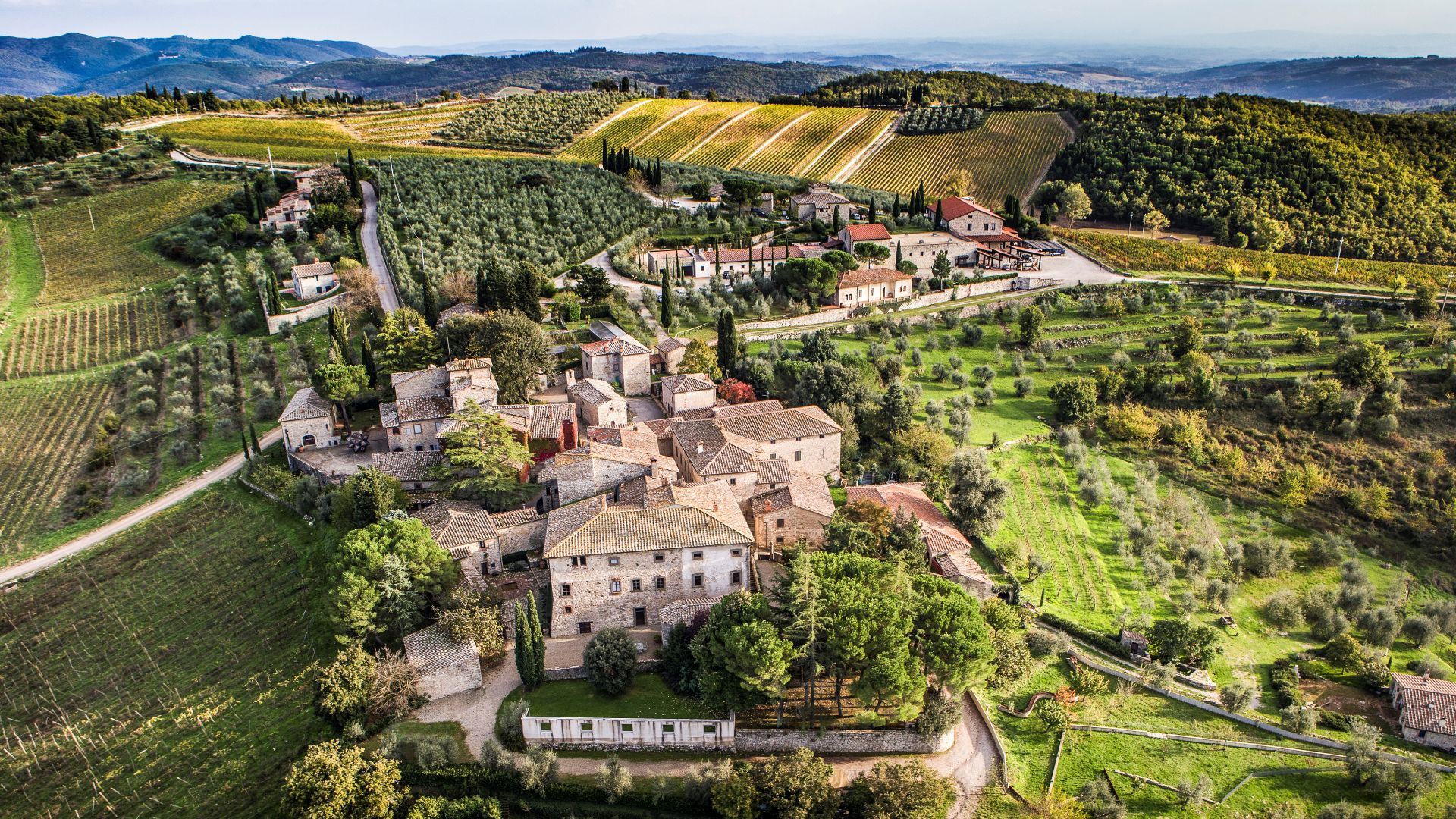
Castellina in Chianti (scenic drive down 222)
Enjoy the dramatic panoramic drive to this cute little town. Note that the town tends to shut down on Mondays, when many museums and shops are closed.
Bottega (first shop on left as you enter the town): Pepe is very friendly, speaks English, and is happy to answer questions.
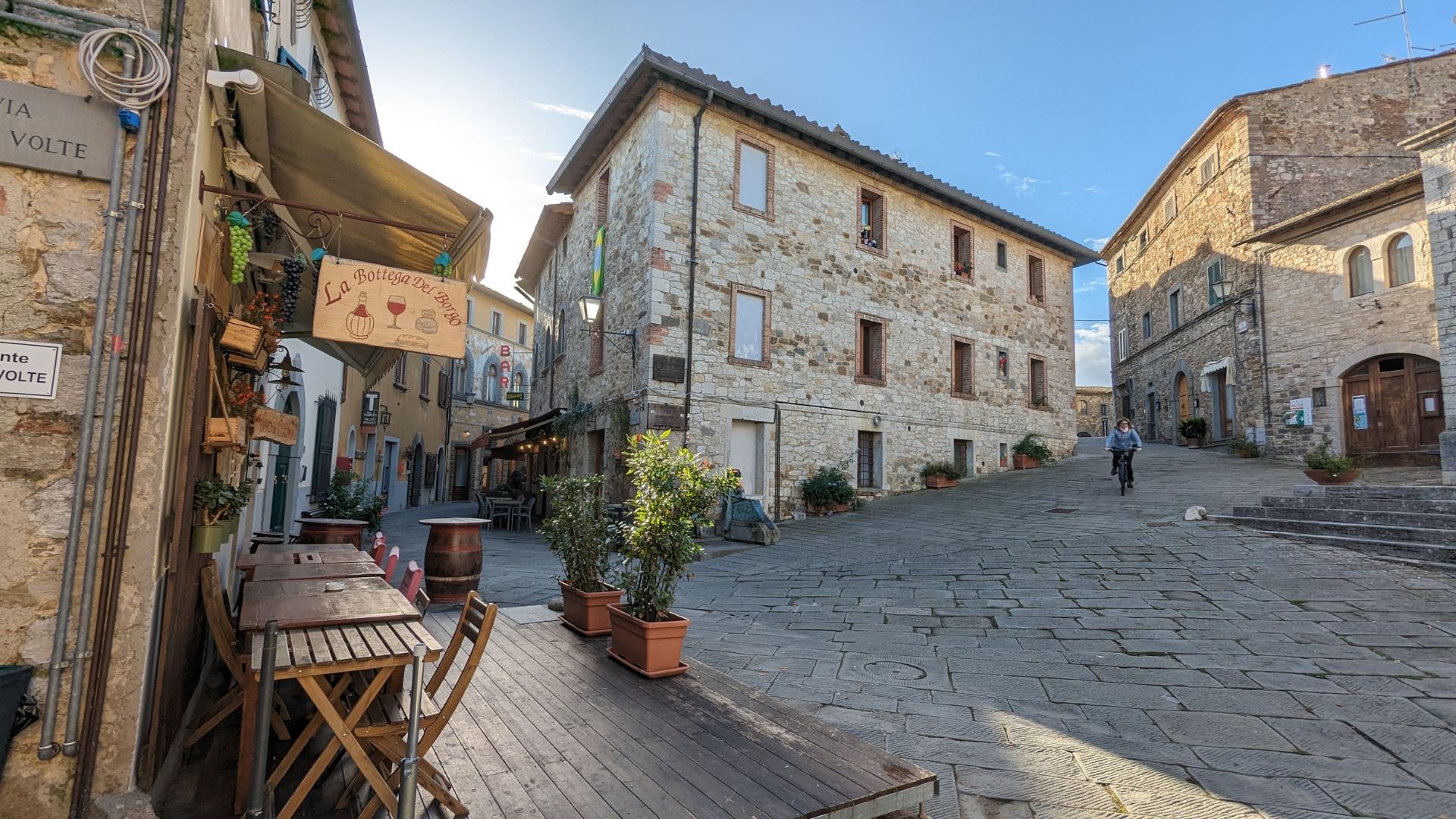
Radda in Chianti
Charming town on the top of a hill with dramatic views of vineyards surrounding it. A number of shops and restaurants.
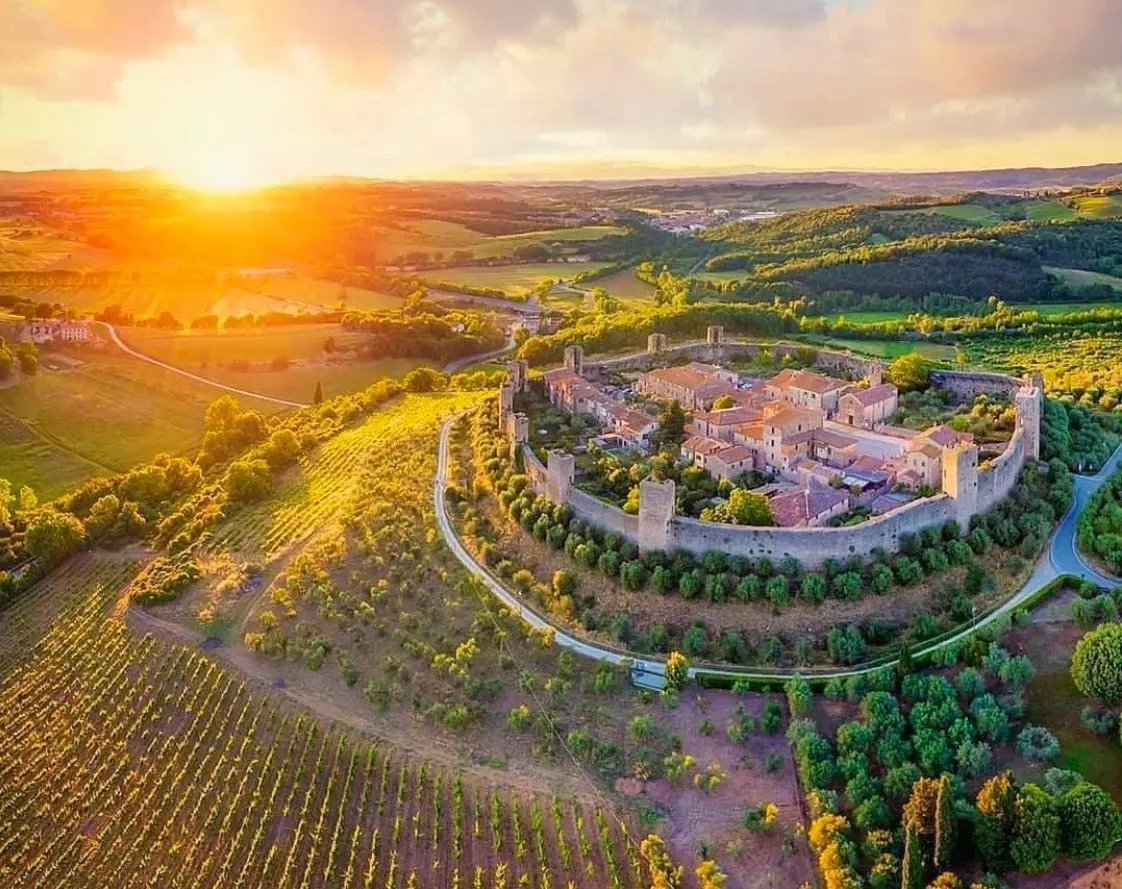
Monteriggioni
This cute walled city is quite small, easy to navigate, and relatively uncrowded. Buy tickets at the Information Center and wander through the interactive display of armor and weapons (great for kids).
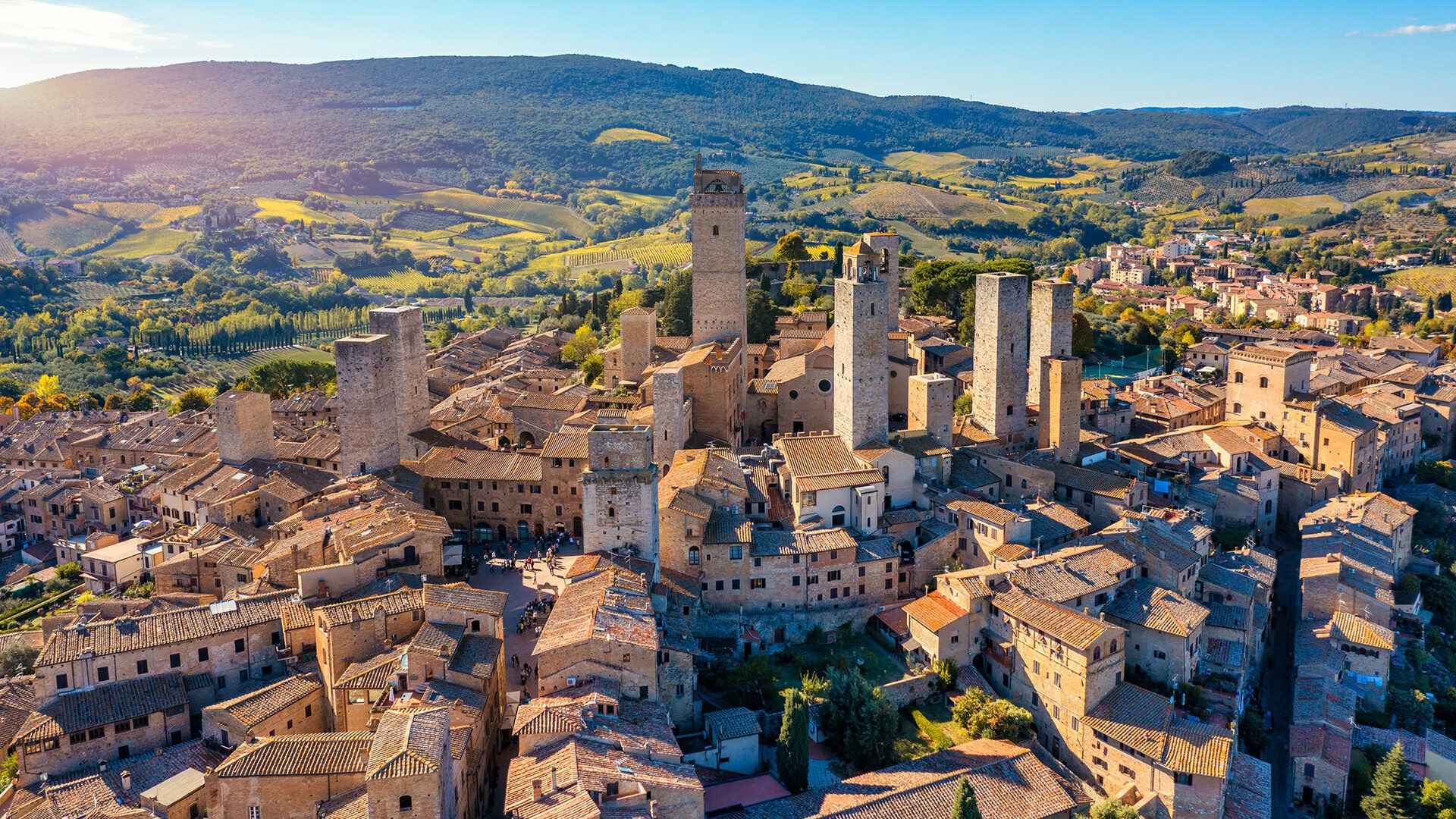
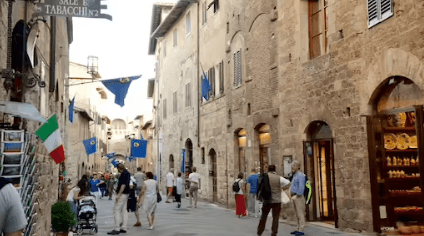
San Gimignano
Iconic medieval town famous for its towers and well preserved medieval character. It has a torture museum (€6 pp) and a central tower that it worth the short, but intense climb (very narrow with a ladder at the end). The viewpoint is worth it. There is parking near the entrance, but expect to walk during busy season.
Avoid market day (Thursday) as it’s busy and clogs up the otherwise pretty square.
There are two gelato spots. Dondoli is an award-winning world companion with lots of unique flavors.
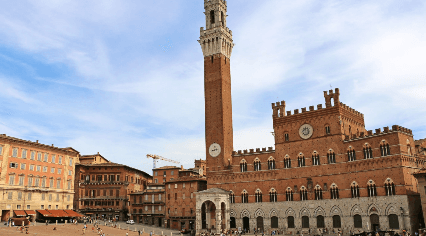
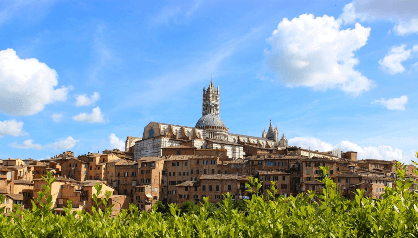
Siena
A famous Tuscan city with ancient history, Siena is a favorite for many guests. Located farther down the 222, Siena is a much bigger town with an old city center on its south side. Expect more upscale shops and a wide range of restaurants and a few tourist traps. It’s not as quaint, and can be quite busy even on a Monday. Its tower and church are famous, and are similar in style to Florence (its longtime rival).
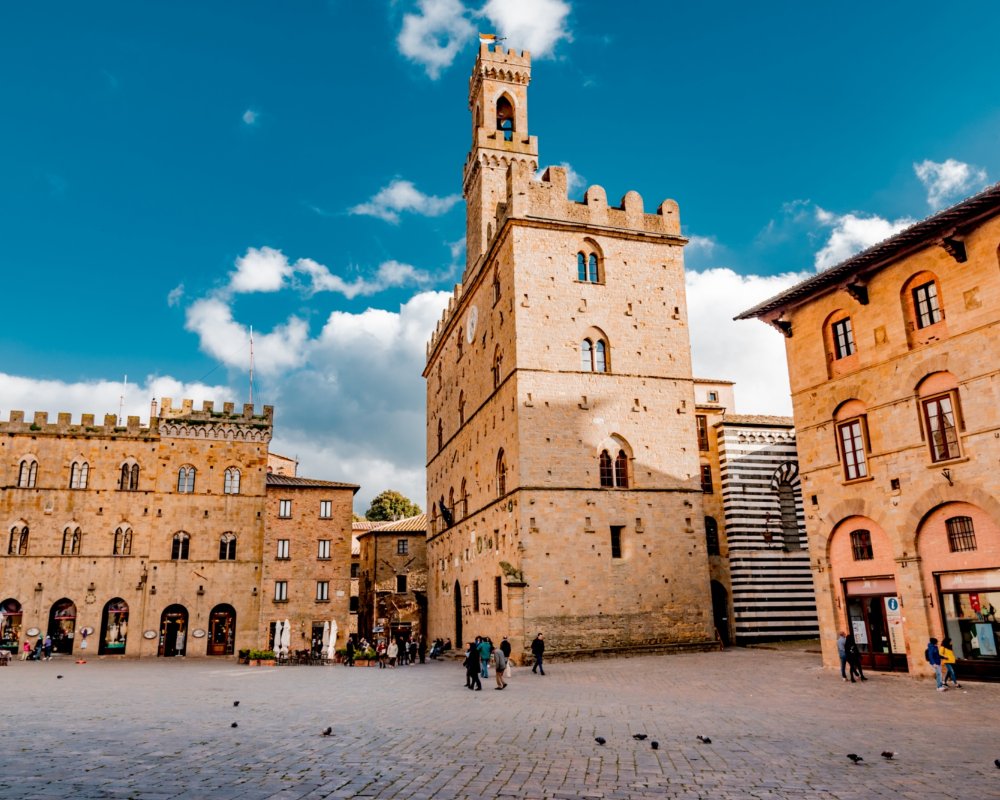
Volterra
Volterra is a medieval town with lots of shops. It is especially known for its alabaster shops and workshops. Getting there is a beautiful drive on the SS68. If you have the time, take a detour to drive past San Gimignano and see it from the other side–it’s impressive!
La Vecchia Lira: Has good pasta and house wine plus a very friendly staff. Order the Cacio e Pepe (cheese and pepper).
Other key destinations less than three hours away:
Florence (40min)
Pisa (1:15min) Val D’Orcia (1:15min)
Modena (Ferrari Museums) (1:45min)
Bologna (2 hours)
Cinque Terre (2 hours)
Rome (2.5 hours)
Venice (3 hours)
Hot-Air Ballooning
Tuscany Ballooning
Via Cassia per Siena 73A
San Casciano in Val di Pesa 55026
+39 338 915 5290
Wine Tours and Vineyard Picnics
Antinori Winery
Via Cassia per Siena, 133, 50026 Bargino FI
The Antinori family has been dedicated to wine production for more than six hundred years: since, in 1385, Giovanni di Piero Antinori became part of the Florentine Arte dei Vinattieri.
Throughout its long history, through 26 generations, the family has always managed this business directly with innovative and sometimes courageous choices but always maintaining unchanged respect for traditions and the territory.
The famous headquarters are based in Bargino, a short drive from the Villa. The highway runs by it, but the building hides in plain sight, buried into—literally inside—a hill.
The architecture doesn’t just occupy the landscape, it becomes the landscape. The panoramic terrace is shaded by a curved deeply cantilevered canopy that is partly camouflaged under rows of vines.
There are 4 different wine tours available at the headquarters, which is worth visiting for the architecture alone.
An 80-minute “history” tour (€27 pp) offers a guided history of the house and winery, plus a tour of the vineyard. You’ll learn all of the steps in wine-making and will visit a barrel cellar.
The wine-tasting room overlooks the barrels or wander outside for the gorgeous views. Samples include five wines and a delicious grappa.
This is a small family-run operation from start to finish. Our guide, Anna, was very knowledgeable and enthusiastic and spoke English well. Even non-wine lovers will love this interesting and informative tour.
Scenic Drives
There are numerous scenic drives in the area, and throughout Chianti. Some of the most famous are Route 222 and S71.
Cooking Classes
Il Vicario (8 min outside of San Gimignano)
Katia and Fulvio are two very friendly, funny, and knowledgeable chefs cooking in a 13th-century home. Their classes offer lots of tips on how to cook homestyle Tuscan cuisine. (Also does a great job on GF).
Expect to make several antipasti, two primi, and secondi with meat.
We enjoyed bruschetta, garlic toast, homemade pasta, two different sauces, three cheeses and toppings, saltimbocca, and three different wines. There is delicious homegrown olive oil available to taste or buy. Expect to spend about 3-4 hours. The cost is €90 pp.
Antonella La Macchia offers personalized culinary experiences, including private chef services and cooking classes. With over a decade of experience, she immerses clients in Italian gastronomy, blending Tuscan traditions with her Sicilian heritage.
Antonella emphasizes the significance of cuisine in Italian culture, sharing her passion through hands-on lessons and curated menus featuring local, seasonal ingredients.
Her services are ideal for those seeking an authentic Italian culinary journey, whether by enjoying a customized meal prepared in their accommodation or by learning to craft traditional dishes in a friendly atmosphere.
Private Chef Services: Starting at approximately €85 per adult, with prices varying based on group size and specific requirements.
Cooking Classes: Prices begin around €150 per person, offering an affordable and immersive experience into Italian cooking.
Electric Bicycle Rental
YEP Bike
Via Borromeo 4B, San Casciano in VP
+39 334 757057
+39 339 131 3510
info@yep-bike.com
Standard and electric bike rental, E-Bikes, trekking bikes, gravel bikes, MTBs and carbon road bikes
They can deliver to the villa directly, and you can order everything online easily.
Vespa
Yestogotours, Viale Vittorio Veneto, 55/D, Greve in Chianti
(opposite side of road to Coop Supermarket)
WhatsApp : +39 333 584 7634
Email : chianti@yestogo.it
→ Vespa rentals and tours
→ Scooter rentals
Tennis Lessons
Simone Rosi
He is patient and good with children. His number is +393667811053 (tell them that Poggio Alle Corti sent you his way)
Hiking, Biking, and Roman Roads
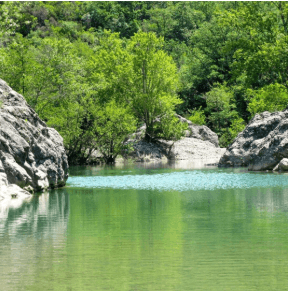
River Pesa Loop (Vistas of the Villa, Vineyards, River)
8 km / 5 miles, moderate with a few inclines
One of our favorite loops with gorgeous views of the area, much of which follows along the Romea Sanese (the main ancient road between Rome and Florence). Walk out the villa’s main gate, toward La Cantenetta di Rignaga. Walk past the restaurant and follow the road (a relatively quiet white road).
You’ll reach two different intersections, but always keep left. This will bring you to the ridge opposite Poggio alle Corti, and you’ll get a great view of the Cantinetta and the Poggio alle Corti, and the entire valley, on your right. Continue on the trail all the way down to the river (you’ll meander through a few villas along the way, but the signs will point you in the right direction).
Once you reach the river, at the bottom of the valley, turn left and follow the path along the river until you reach a bridge. Do not cross the river, but stay left past the bridge, and stay left to go up the hill, eventually passing a villa on your right, but turn left and the white road will lead back to the villa.
Of course, if you’d rather not save the big hill for last, you can do this trail in reverse and begin by heading out left, down to the river and turn right before the bridge, and then right again at the first trail sign on your right-hand side.
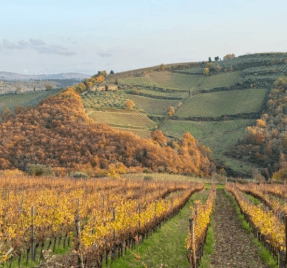
Natural Preserve Trails (Serene Forests, Olive Groves, Wild Boar)
You can find extensive trails along both sides of the road through the nature preserve. If you exit the villa’s front gate, continue past the Cantinetta restaurant, you’ll reach an intersection and a little monument La Madonnina di Rignana (about 1.7 km / 1 mile from the villa).
At this juncture, you’ll see two trails on the right side of the road (the same side as the monument) and a trail on the left side of the road, just before the intersection. You’ll also find additional trails further up the road on the sides.
These trails are all very walkable. The two trails on the Madonnina side are beautiful woodland trails where you’ll see lots of signs of wild boar (look for patches of unearthed dirt), as well as olive groves and a variety of landscapes. Both trails are a little less than a mile (1.5 km) in and out, though you can also make a 3-mile (4.8 km) loop by walking along the SP118.
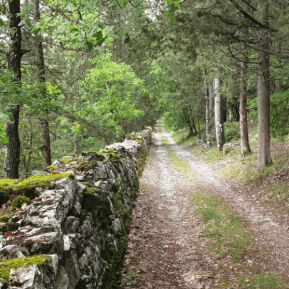
Romea Sanese
Poggio alle Corti sits alongside the main ancient road between Florence and Rome (va Siena). This stretch is called Via Sanese. It’s a rugged road, but easy to walk or traverse with an electric bike.
Many walk the entire route from Florence to Siena, which takes about 4 days at a casual pace. It is well marked with frequent mileage signs, and passes many historically significant sites from multiple historic eras and cultures, including Etruscan, Roman, Medieval, and Renaissance.
This stretch also crosses the main Roman Road, Via Francigena, which connected Rome with Canterbury (England). You can read more about traversing the Romea Sanese, including maps and tourist tips, here.
Essential Services & Nearby Stores
Public Transportation
Famous Tuscans
Tuscany has given a lot to the world. You’re in the birthplace of the Renaissance, banking, the laws of pendulum motion, and where the technique to paint with accurate perspective was discovered.
We could never fit the entire list of famous painters, architects, and sculptors from Tuscany, but here are a few key figures.
In alphabetical order:
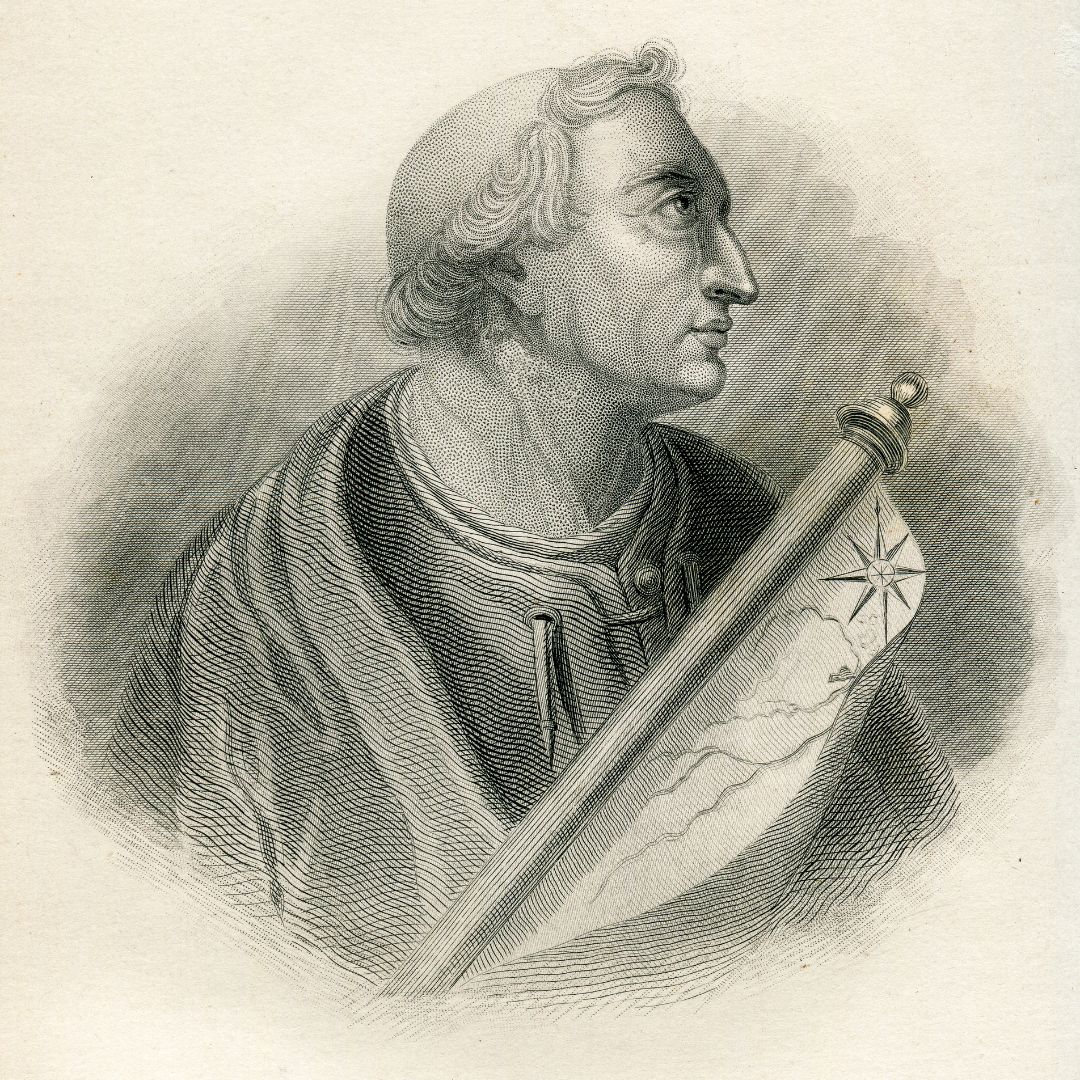
Amerigo Vespucci, born in Florence in 1454
A pivotal figure in the Age of Exploration. As a navigator and cartographer, he played a crucial role in mapping the New World. Vespucci’s voyages to South America in the late 15th century helped to clarify the understanding of the continent’s geography. He was among the first to suggest that the lands discovered by Europeans were not part of Asia, as initially believed, but rather a separate continent. His observations and detailed letters led to the naming of “America” in his honor, cementing his legacy in the history of exploration.
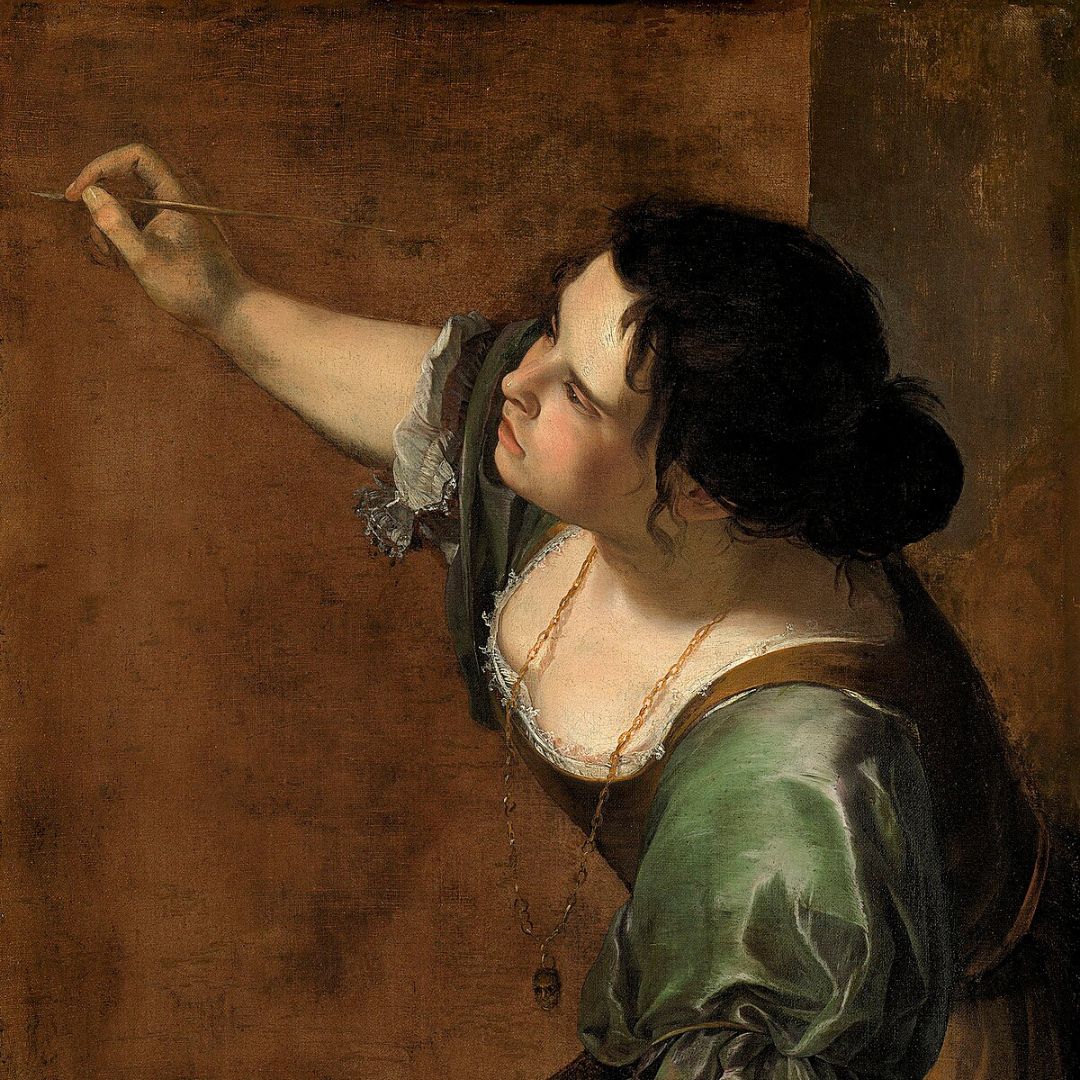
Artemisia Gentileschi (Rome, 1593)
Born in Rome to a Tuscan dad, Gentileschi made her name as a baroque painter in Florence, becoming the first female member of the city’s Accademia di Belle Arti. Appropriately for a woman thriving in a man’s world, she favoured strong Biblical women as subjects — including a brutal “Judith Beheading Holofernes” in the Uffizi.
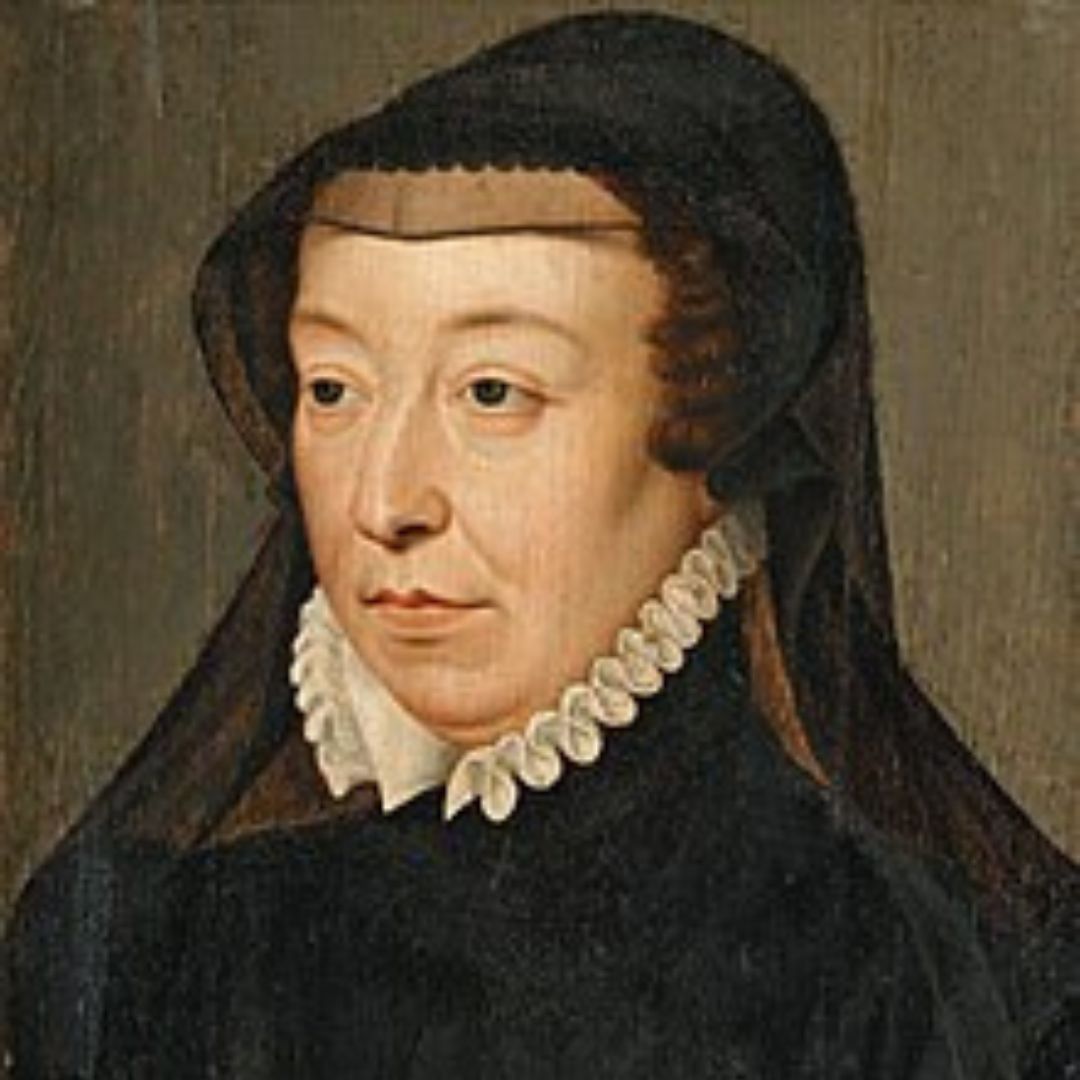
Catherine de’ Medici (Florence, 1519)
Orphaned by the time she was a month old, Catherine went on to become one of Florence’s most successful 16th-century exports. She married at 14 and became Queen of France. Three of her sons became kings of France, and she herself had sweeping powers for a time as Regent. Daughters also became queens of both France and Spain, and Catherine was the mother-in-law of Mary, Queen of Scots.
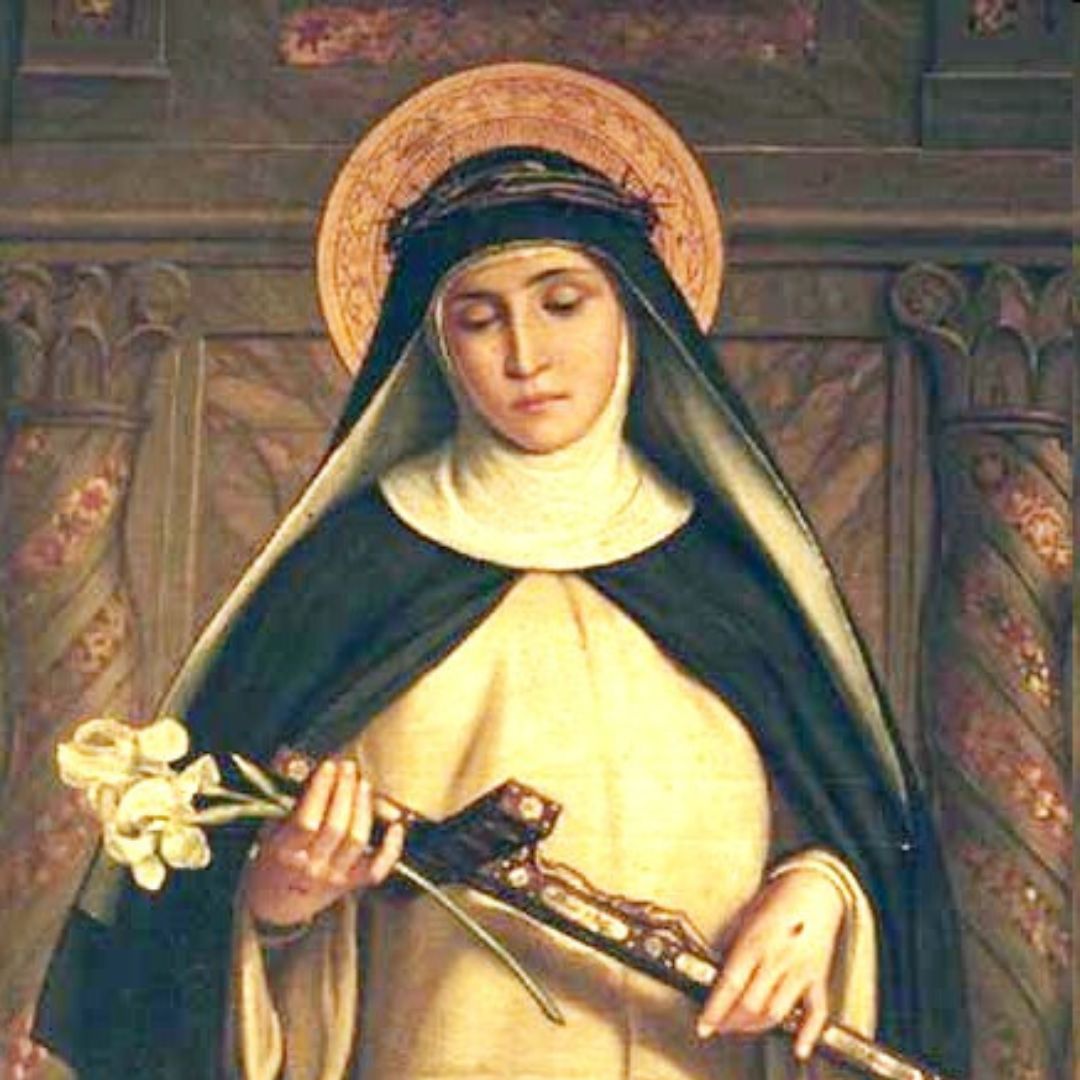
St. Catherine of Siena (Siena, 1347)
Italy’s co-patron saint (Francis is the other) was a key player in negotiations to repair the Western Schism that split the papacy between Avignon and Rome. Catherine was also a prolific letter writer, to statesmen, mercenaries and various religious figures, and active politically on behalf of Pope Gregory XI.
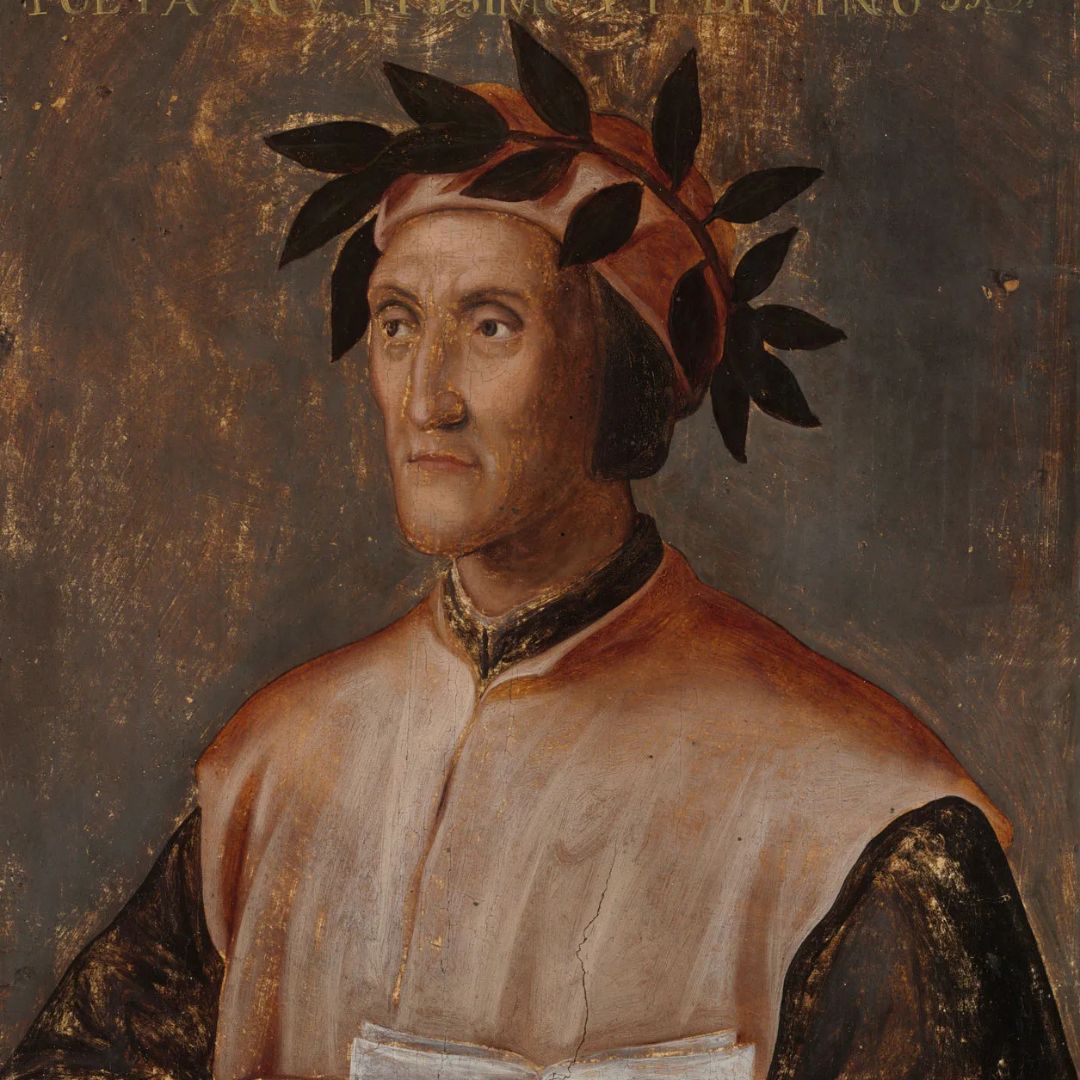
Dante Alighieri (Florence, 1265)
His 3-part “Commedia” (most famously, “Inferno”) is Italy’s greatest work of epic poetry. It also essentially codified modern Italian. At the time, most writers still published in Latin. Dante preferred the vernacular. He died in Ravenna after banishment from Florence. Florentines have been trying to get his body back pretty much ever since.
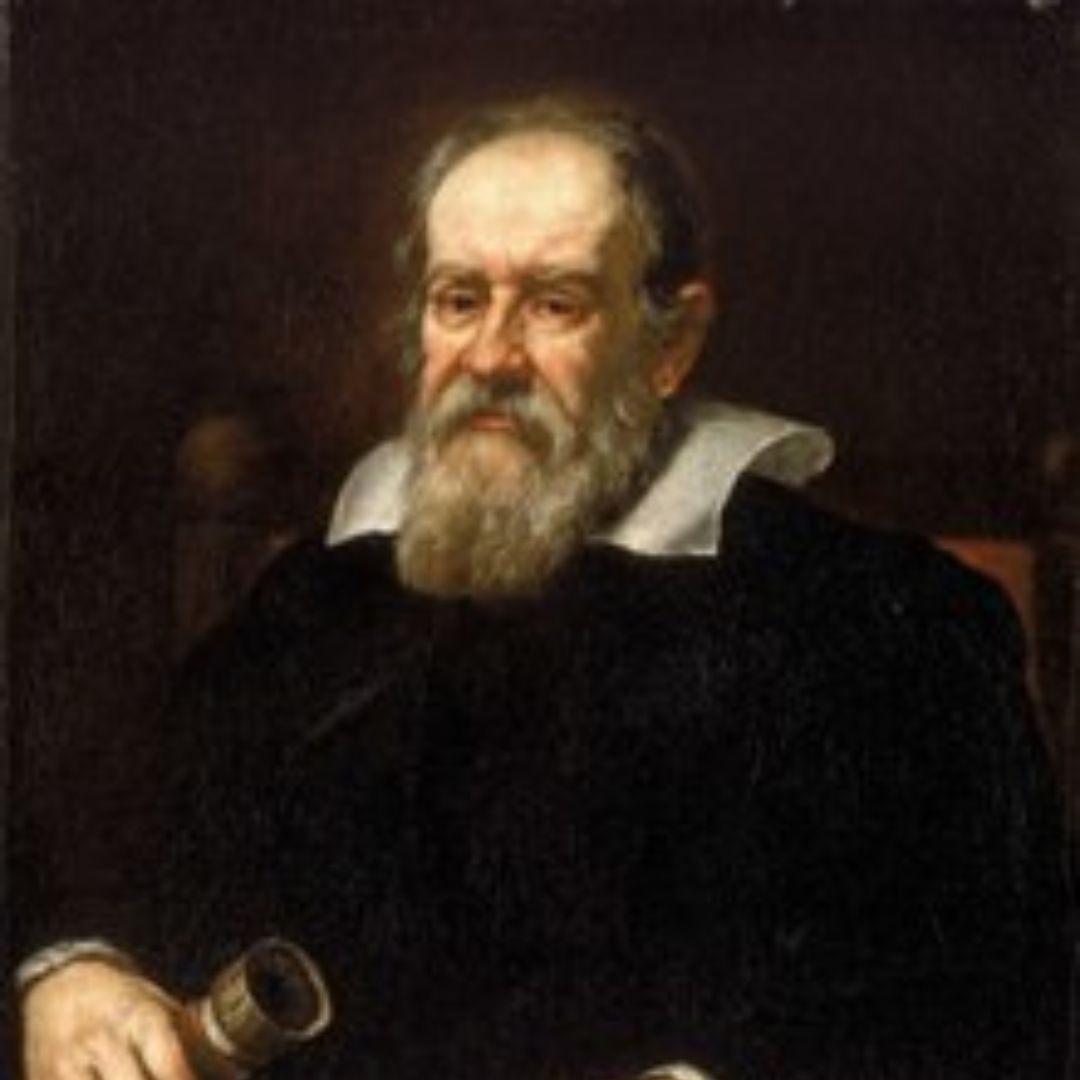
Galileo Galilei (Pisa, 1564)
The controversial astronomer and physicist, Galileo Galilei, made groundbreaking contributions to our understanding of the cosmos, most notably proposing the heliocentric model, which asserted that the Earth orbits the Sun. This revolutionary idea challenged the long-held geocentric view supported by the Catholic Church. Galileo’s observations of celestial bodies, through his improved telescope, revealed the moons of Jupiter and the phases of Venus, solidifying the heliocentric theory. His conflicts with two popes, Urban VIII and Paul V, ultimately led to his trials for heresy. Despite this, he found refuge and patronage under the science-loving Medici princes in Florence, fostering a vibrant exchange of ideas.
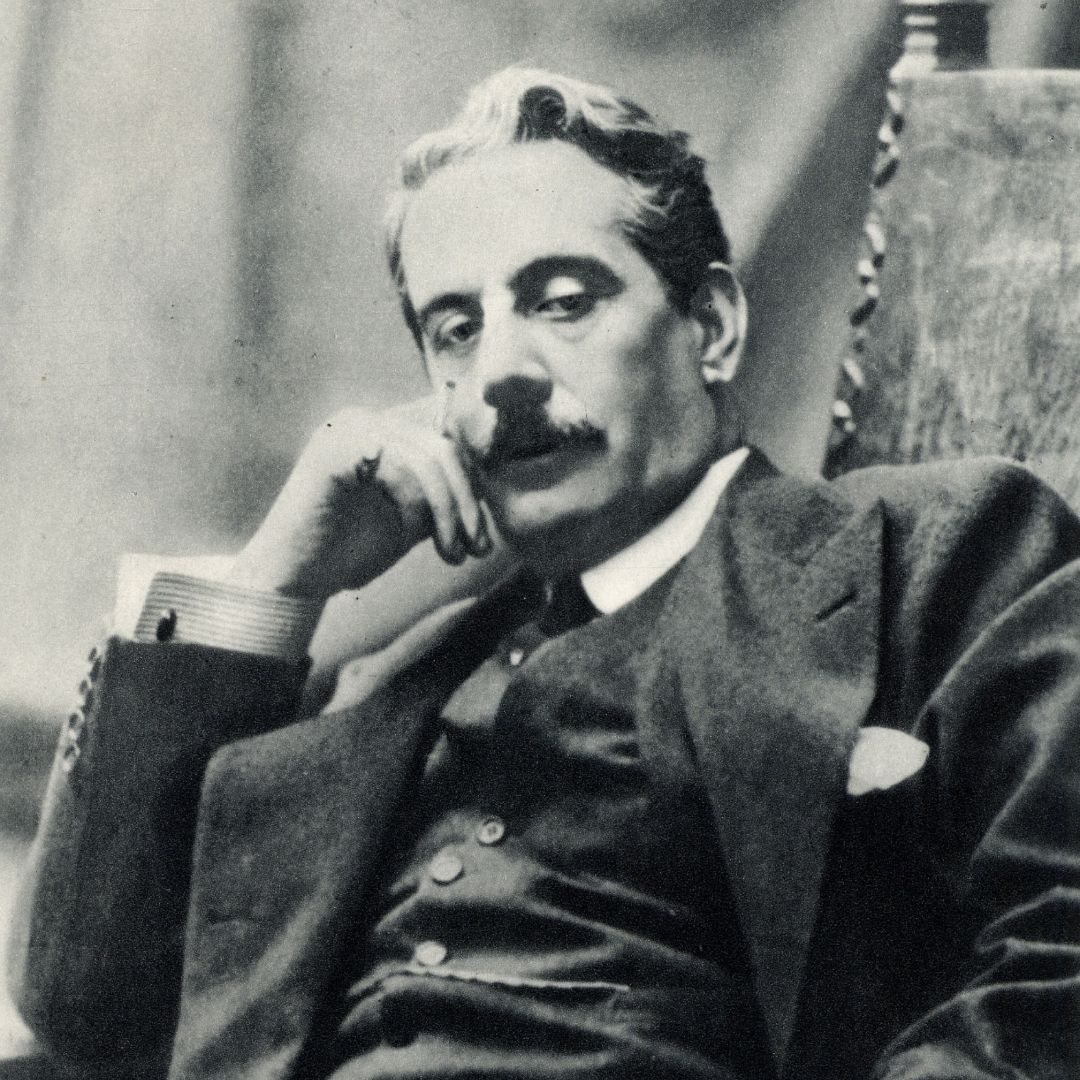
Giacomo Puccini (Lucca, 1858)
The composer of “La Bohème”, “Tosca”, “Madama Butterfly” and “Turandot” is the giant of early 20th-century opera. It’s a short hop from several villas near Lucca to his beloved lakeside home at Torre del Lago, where he wrote most of his operas. Torre del Lago also hosts the annual summer Festival Puccini.
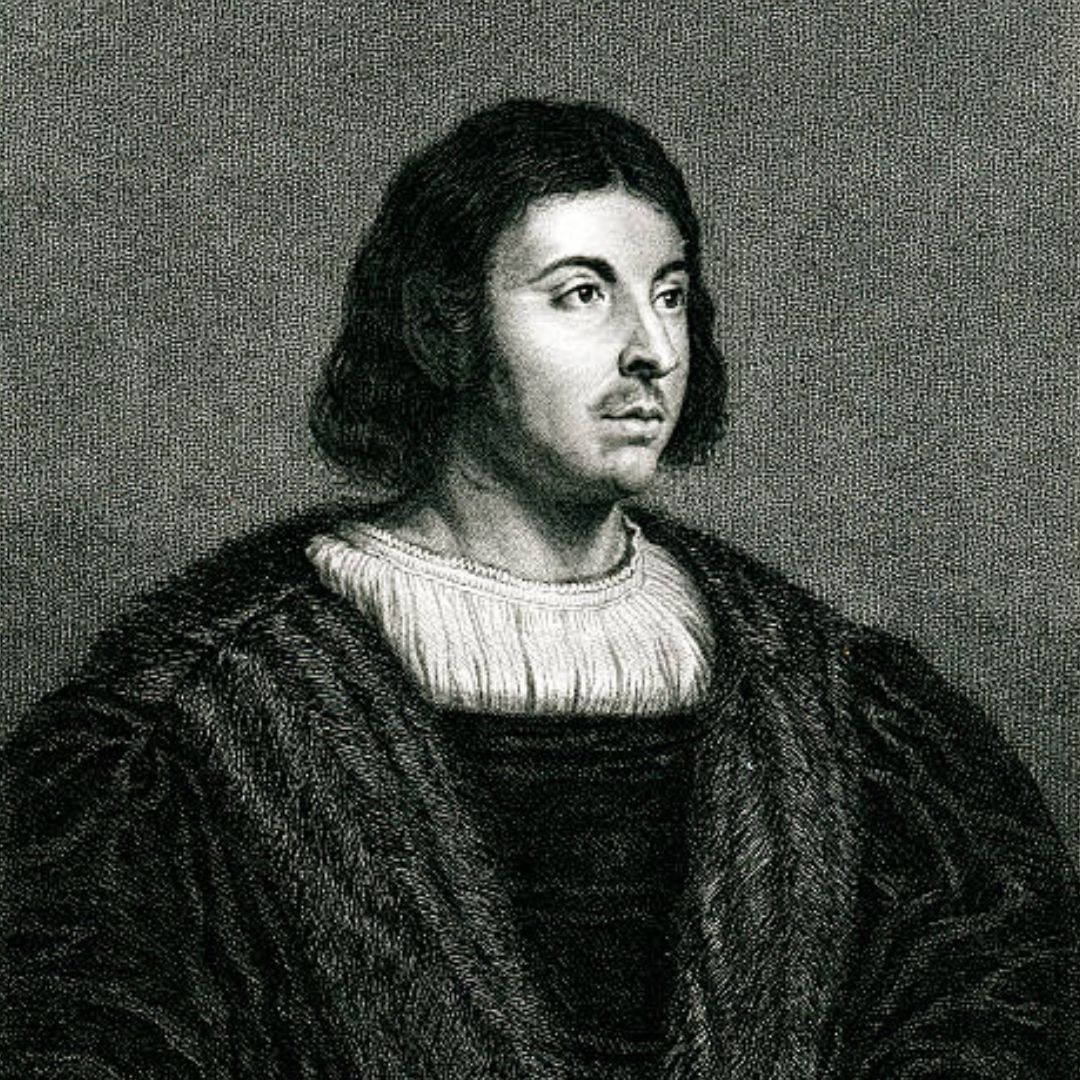
Giovanni Boccaccio (Certaldo, 1313)
The author of the Decameron — basically an Italian “Canterbury Tales” — was a noted humanist and survivor of the Black Death epidemic that killed about half the population of Tuscany. Boccaccio also wrote the first known collection of biographies exclusively of women.
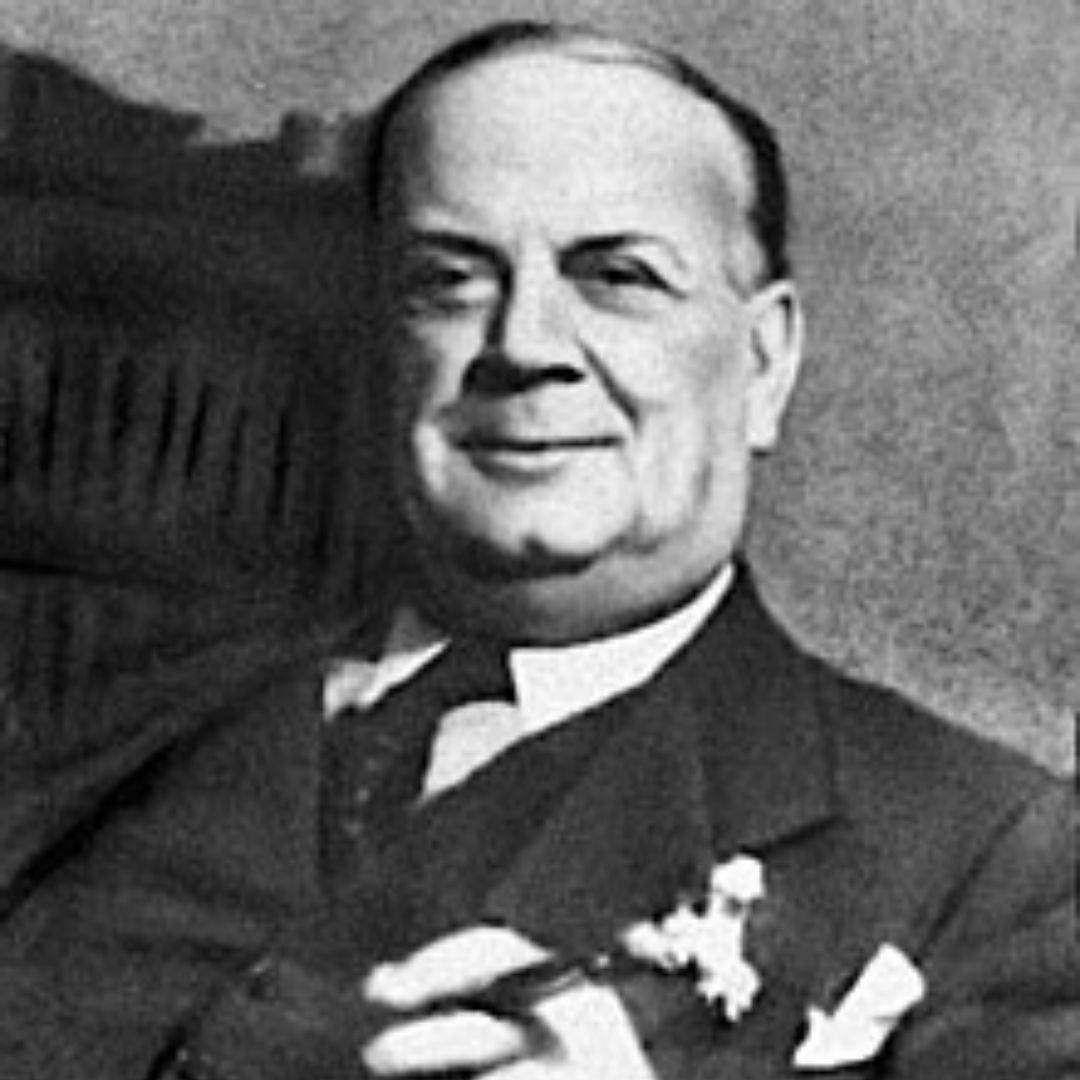
Guccio Gucci (Florence, 1881)
Guccio Gucci, the founder of the iconic fashion house Gucci, was born in Florence in 1881. His early experiences at London’s Savoy Hotel sparked his passion for luxury and craftsmanship. In 1921, he opened his first store in Florence, selling high-quality leather goods. An interesting fact about Gucci is that during World War II, he introduced the signature green-red-green stripe, which has become synonymous with the brand. Today, Gucci remains a symbol of Italian elegance and innovation.
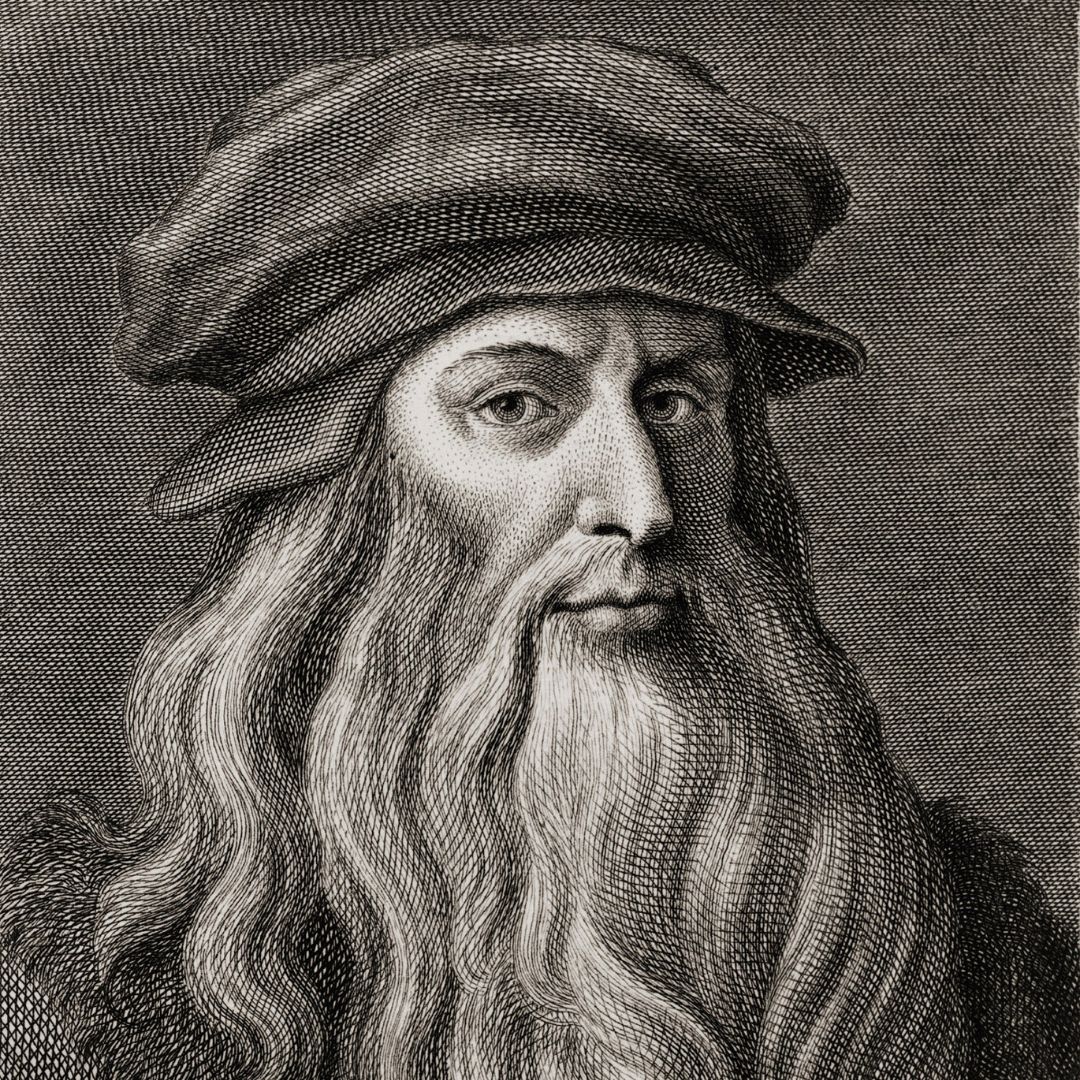
Leonardo Da Vinci (Vinci, 1452-1519)
Polymath and the ultimate Renaissance man, Leonardo was a painter (“Mona Lisa”, “Last Supper”), scientist, anatomist, mystic, architect, and inventor. His contributions to various fields established foundational principles that influenced both art and science for centuries. Da Vinci’s meticulous studies of human anatomy not only advanced the understanding of the human body but also improved the accuracy of medical illustrations. His notebooks, filled with sketches and ideas, reveal innovative concepts in engineering and mechanics, showcasing his visionary thoughts on flight and robotics, which were far ahead of his time. You can visit his Vinci birthplace and its science-oriented Museo Leonardiano in Florence.
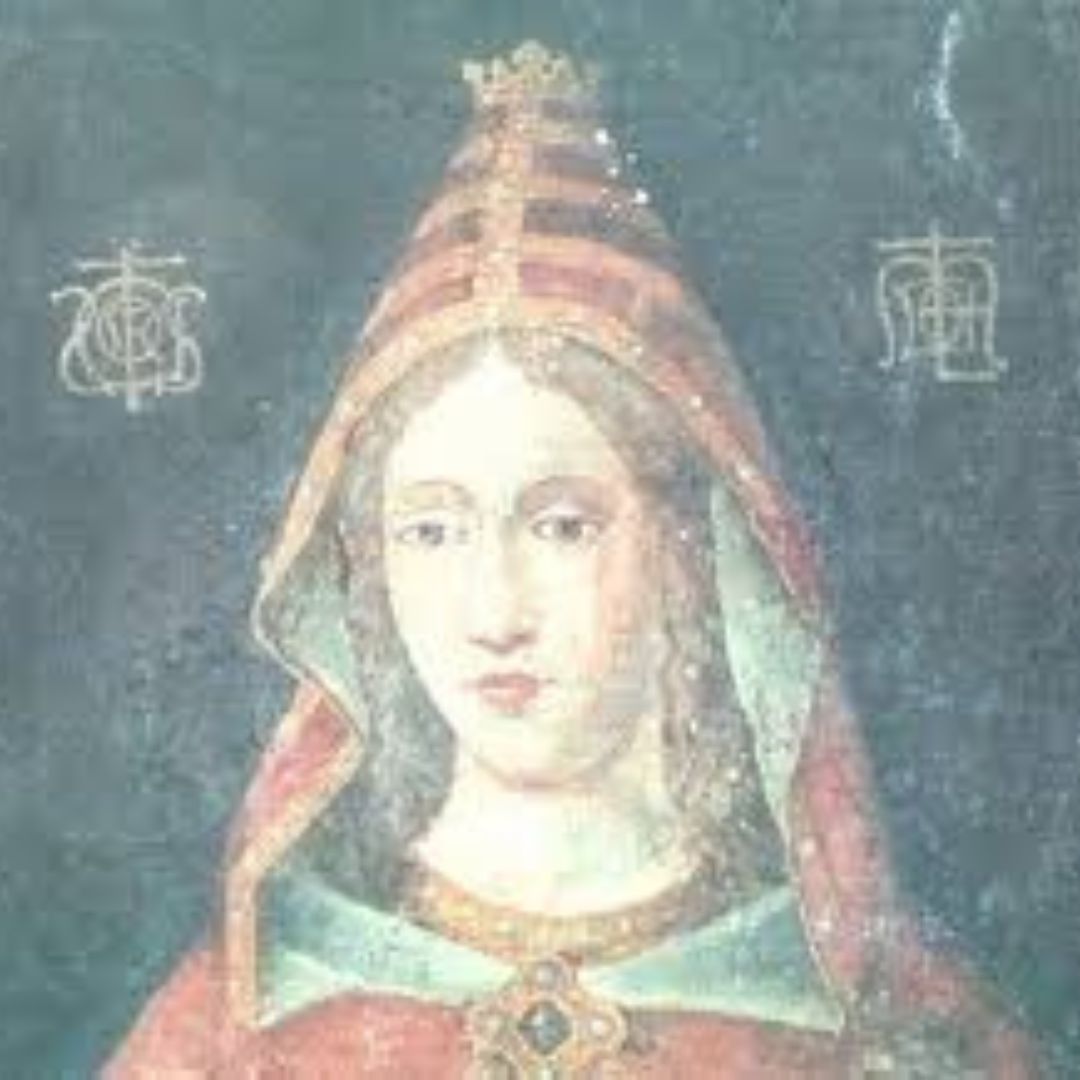
Matilda of Tuscany (1046)
For a few decades around 1100, Margravine Matilda of Tuscany commanded central Italy’s most powerful force. She was a strong ally of the pope in a long-running war with Holy Roman Emperor Henry IV, which ended in the latter’s excommunication and ultimate humiliation of the Walk to Canossa. She died of gout in 1115.
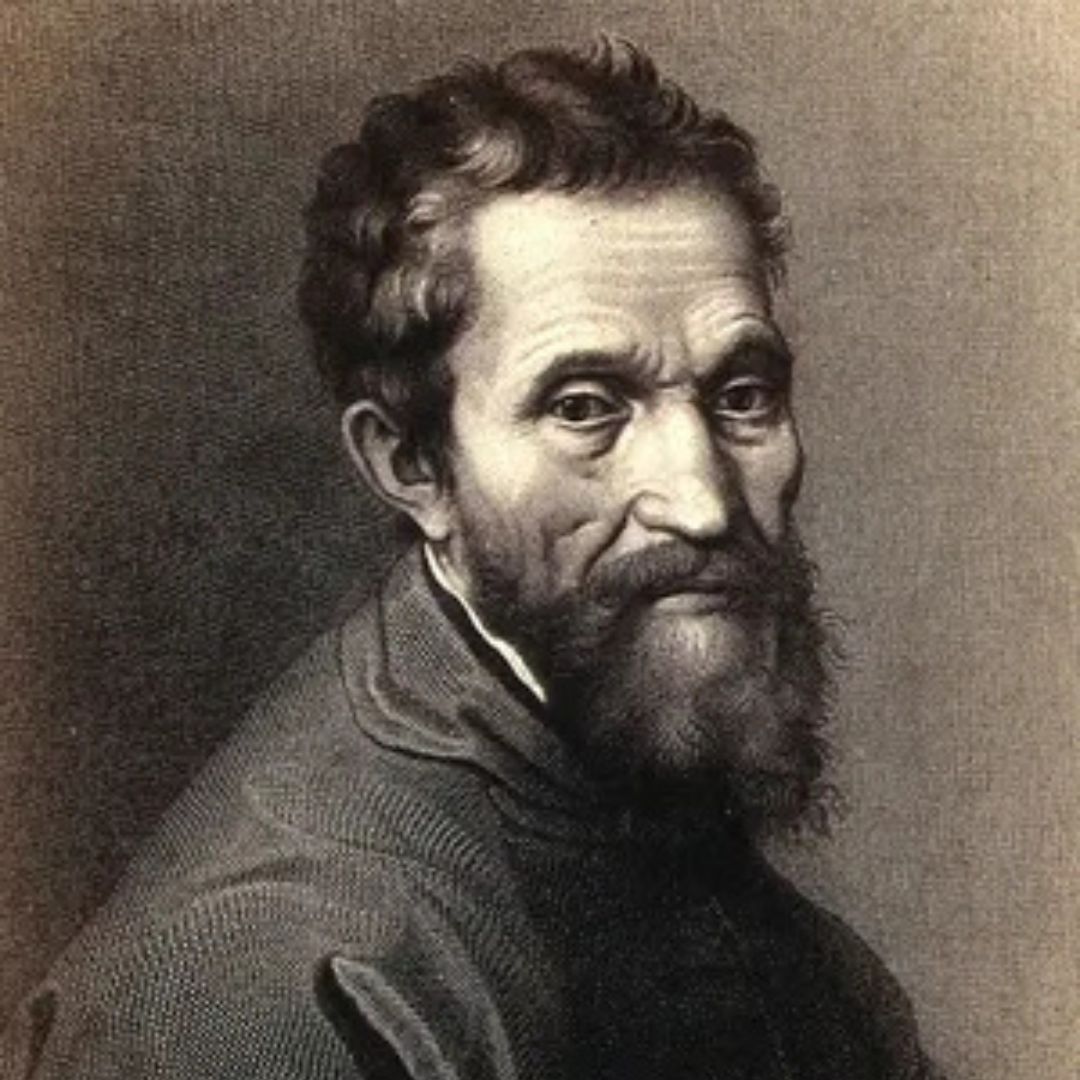
Michelangelo Buonarroti (Caprese, 1475)
The man who decorated the Sistine Chapel didn’t actually like painting; he considered himself a sculptor, most famously of “David” in Florence’s Accademia. He was even put in charge of Florence’s fortifications during the siege of 1529–30. Michelangelo’s significance extends beyond his individual works. He was a pivotal figure of the Renaissance, influencing art, architecture, and poetry. His ability to convey human emotion and movement revolutionized the portrayal of the human form, and his innovative techniques inspired countless artists. Additionally, his collaborations with prominent patrons and contributions to St. Peter’s Basilica marked him as a key player in shaping the cultural landscape of the time. His one-time abode is a villa not far from Poggio alle Corti, between Panzano and Castellina.
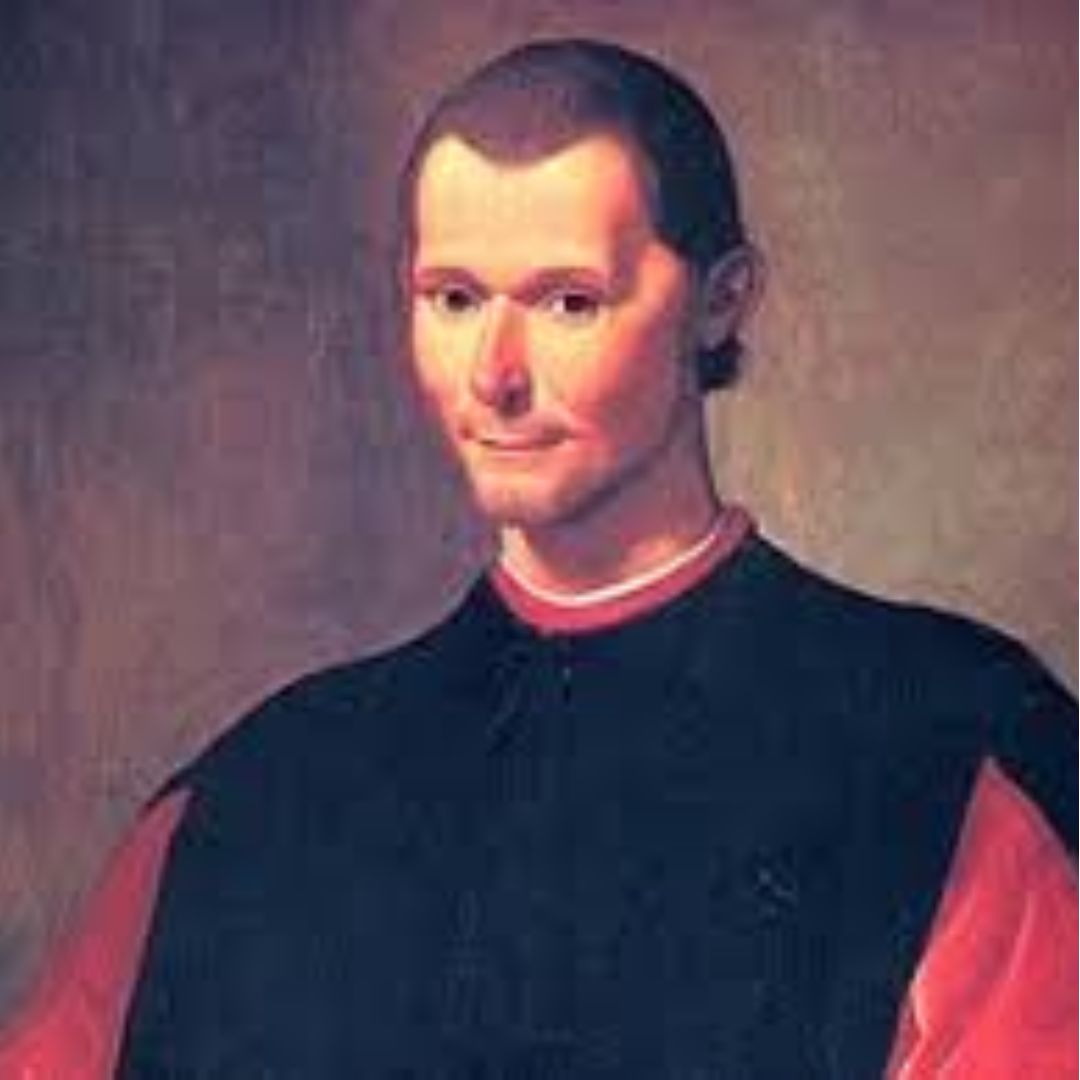
Niccolò Machiavelli (Florence, 1469)
Niccolò Machiavelli, a prominent Renaissance thinker, is best known for his seminal work, “The Prince,” published posthumously in 1532. This manual on political power explores the harsh realities of governance and has become synonymous with the notion of Realpolitik, emphasizing pragmatic and often ruthless strategies. Despite this reputation, some scholars argue that Machiavelli was fundamentally a republican, advocating for civic virtue and the stability of the republic over tyranny. His ideas challenged traditional views of morality in politics and have influenced political thought profoundly, making him a pivotal figure in the development of modern political theory and practice.

Roberto Benigni (Castel Fiorentino, 1952)
The first person to win a Best Actor Oscar for a foreign-language film (“Life is Beautiful”) can also recite huge passages from Dante from memory.